



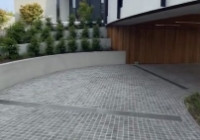






Sandstone pavers are bright, hard-wearing, and perfect for the Australian outdoors. However, like any natural stone paving material, they must be installed by a professional.
Sandstone is commonly used for pool surrounds, patios, pathways and courtyards. It performs well outdoors, but only when the base preparation, drainage and laying method are done correctly from the start.
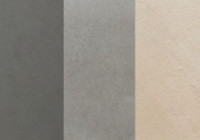
Whether you’re choosing beige, teakwood, suede or desert sandstone, we always recommend the installation process is carried out by an experienced team that understands how natural stone behaves once it is laid.
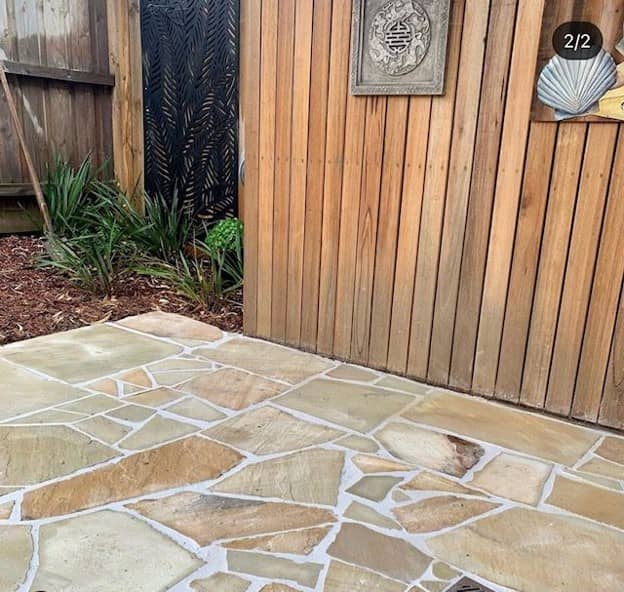
5 Benefits of Sandstone Pavers
Sandstone continues to be one of the most widely used natural stones for Australian outdoor spaces, particularly where a softer, more natural finish is desired. Known for its warm earthy tones, textured surface, and timeless appearance, sandstone suits a wide variety of landscaping styles that we’ve highlighted below.
Natural colour variation that works in outdoor settings
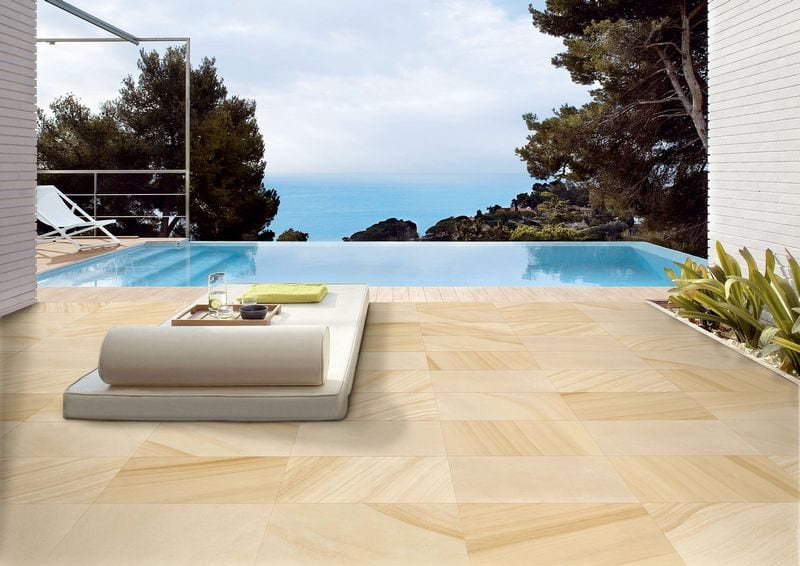
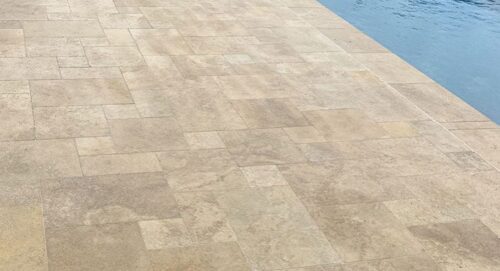
One of the main reasons sandstone is specified is the variation in tone and texture across each batch. Beige, teakwood, suede and desert sandstone all bring subtle shifts in colour that help the paving sit naturally within landscaped areas.
This variation is especially effective in larger outdoor spaces where a consistent but not overly rigid finish is preferred. It can be used across patios, pathways, retaining walls, stepping stones, pool coping, garden edging, and outdoor paving projects.
Allowing homeowners and landscapers to create customised outdoor spaces that complement the surrounding environment.
A cooler surface in direct sun
In full sun, sandstone generally stays cooler underfoot than darker natural stone. It holds less heat, which makes it more suitable for open areas such as pool surrounds, courtyards and exposed entertaining spaces where comfort is a factor during warmer months. This makes it a popular choice for both residential and commercial landscapes.
This difference becomes more noticeable in high-exposure backyards where shade is limited.
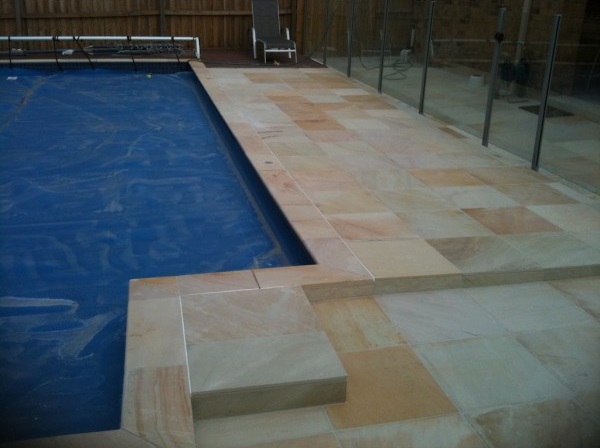
A practical choice around pools and wet areas
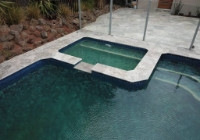
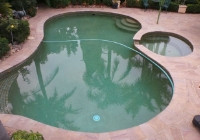
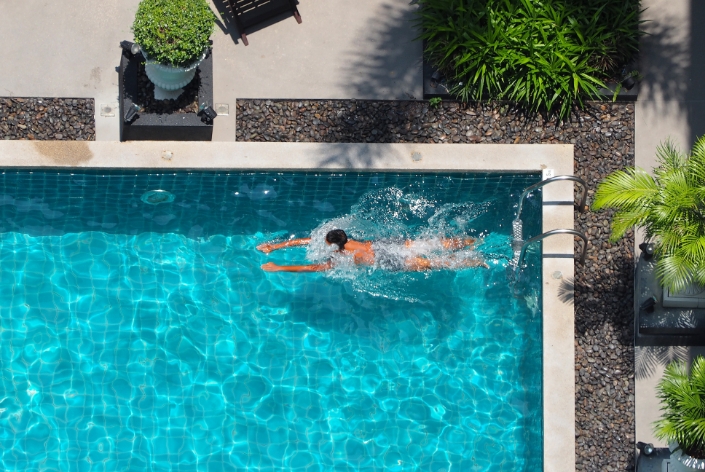
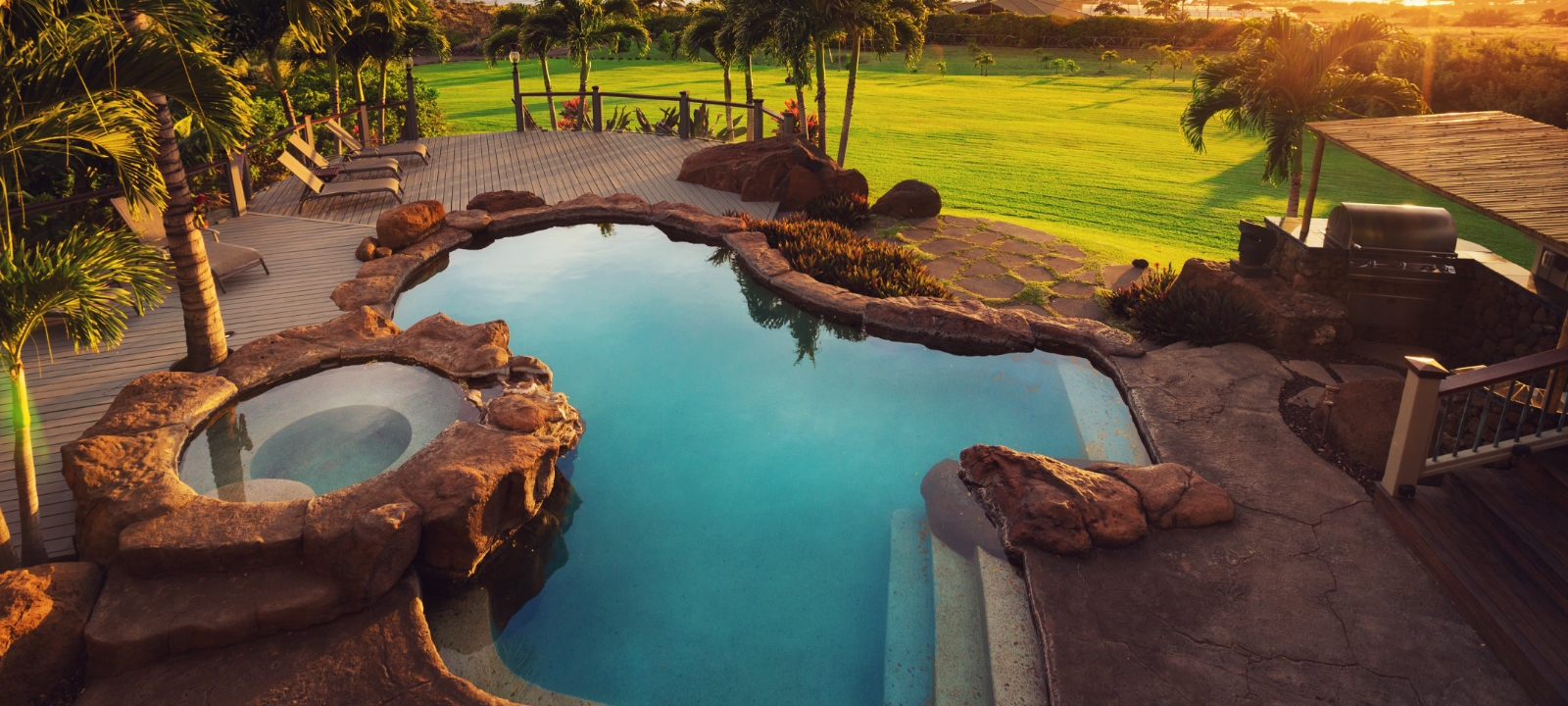
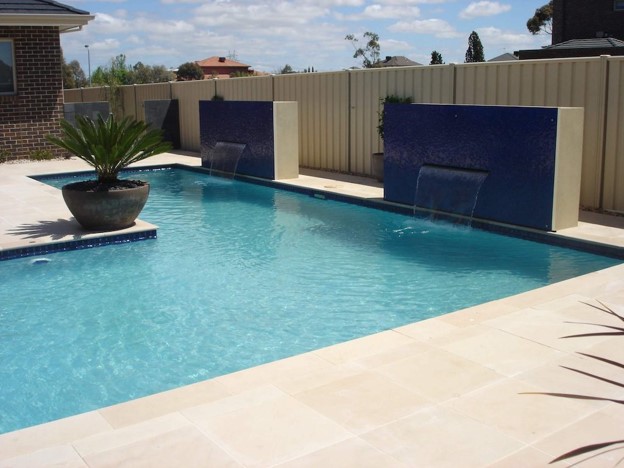
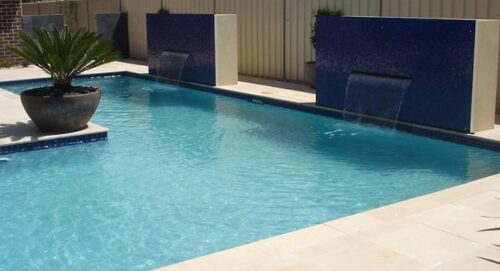
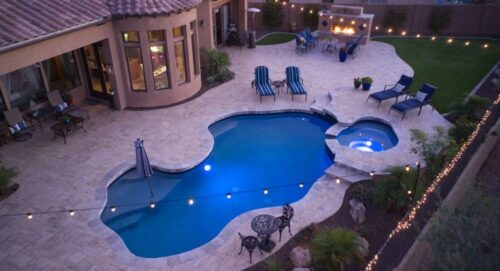
Sandstone is commonly used for pool decks because of its naturally textured surface. It provides reliable grip in wet conditions and works well when paired with correct falls and drainage.
When installed properly, it allows water to run off the surface rather than sitting on top of the paving, which is critical in pool environments.
Easier to cut and shape on site
Compared to harder stone types, sandstone is more workable during installation. This allows for cleaner detailing around steps, edges, coping and garden features, particularly in projects with curved or non-linear layouts.
It also gives installers more flexibility when dealing with custom landscaping designs or tighter site conditions.
Suitable for a wide range of residential applications
Sandstone is used across patios, pathways, courtyards, alfresco areas and pool surrounds. It suits residential landscaping where the focus is on natural appearance and practical outdoor use.
Its performance is heavily dependent on correct installation, particularly base preparation and drainage, but when those elements are done properly, it remains a reliable option for everyday outdoor living.
Natural Sandstone is not a Uniform Product
Unlike manufactured pavers, sandstone is a natural material with variation in colour, texture and density. This means that no two pieces are exactly the same.
Of course, that variation is part of the appeal, but it also means installation needs to be well planned and considered. The layout has to be managed so the finished surface looks consistent rather than patchy.
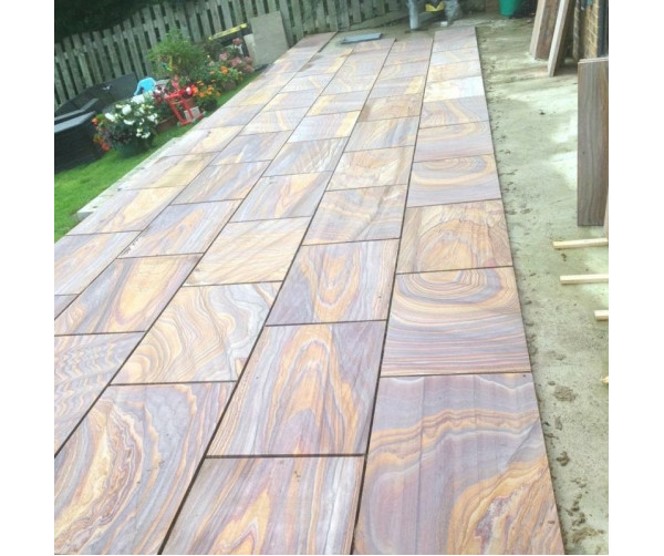
Installers also need to account for calibrated and uncalibrated stone. Thickness variation needs to be managed during laying to keep the surface level and the joints even.
Base Preparation Determines Long-Term Performance
Most paving failures start underneath the surface.
Sandstone pavers require a compacted and well-prepared base to stay stable over time. The type of preparation depends on the site and how the area will be used.
A driveway, for example, places far more load on the base than a garden path or patio. Drainage and soil movement also need to be considered before any stone is laid.
Professional installers prepare the base to suit the application, rather than using a one-size-fits-all approach.
Drainage needs to be set correctly from the start
Drainage is a key part of any sandstone paving installation.
The surface needs to be graded so water moves away from the home and does not collect under the pavers. This reduces the risk of movement and surface deterioration.
Areas where drainage is critical include:
- Pool surrounds
- Alfresco spaces
- Courtyards
- Garden paths
- Sloped outdoor areas
When drainage is not set correctly, even high-quality sandstone will eventually show problems.
Cutting and Laying Sandstone Requires Accuracy
Sandstone often needs to be cut around steps, walls, garden beds and coping details. These cuts need to be clean and accurate to maintain a consistent finish.
Installers use the correct tools to reduce chipping and ensure joints remain even throughout the job.
This becomes more noticeable with larger format sandstone pavers, where alignment is more visible across open areas.
Sandstone Performs Better when Installed Correctly
Sandstone lasts longer when installed by a professional. Proper installation reduces movement, prevents drainage issues and keeps the surface stable over time.
It also reduces ongoing maintenance and limits the need for future repairs.
The Risks of a Subpar Sandstone Installation
Issues from incorrect installation often take time to appear. Once they do, they are usually expensive to fix because sections of paving need to be lifted and reset.
Uneven or sinking pavers
If the base is not compacted correctly, pavers can shift or sink. This creates uneven surfaces and movement across the paved area.
Water pooling and drainage issues
Incorrect installation allows water to sit on or under the paving. This can lead to staining, slippery surfaces and long-term movement beneath the stone.
Loose edges and joint separation
Without proper edge restraint, sandstone pavers can gradually spread. Joints open up over time, especially in areas exposed to moisture or regular foot traffic.
Get a Quote for Natural Stone Pavers in Melbourne
Got a question for our natural stone pavers suppliers? Feel free to get in touch with us today. Our collection is loved by designers and architects, and we are confident that you won’t be disappointed in the final result.
At the Paver Shop, we also offer a comprehensive installation service for anyone in need of natural sandstone pavers in Melbourne.
Paver Shop: Melbourne Based Supply and Installation Services
With over 40 years combined industry experience, our installation teams pride themselves on the quality of their installation. It's what we're passionate about. we've finished recently.
If you'd like The Paver Shop to install your pavers, please give us a call on 03 9462 4325. or please click on "Quote Me" and fill out the easy online form!
-
 23 AprBy :Category : Uncategorized,0 CommentFilled vs. Unfilled Travertine: Which is Better for Your Outdoor Space?Read More
 -
 19 MarBy :Category : Uncategorized,0 CommentEssential Maintenance: How to Clean and Care for Your Metal and Aluminium Drain GratesRead More
 -
 12 FebBy :Category : Uncategorized,0 CommentChoosing the Right Thickness for Granite Pavers: Paths, Patios, and DrivewaysRead More
 -
 29 JanBy :Category : Uncategorized,0 CommentAluminium vs. Concrete: Choosing the Right Drain Grate for Your ProjectRead More
 -
 26 DecBy :Category : Uncategorized,0 CommentSandstone Pavers vs Bluestone Pavers: A Practical Comparison for Australian HomesRead More
 -
 27 NovBy :Category : Uncategorized,0 CommentGranite vs. Concrete Pavers: Which Is Right for Your Driveway?Read More
 -
 06 NovBy :Category : Uncategorized,0 CommentSandstone Pavers for Pool Decks: Why They Are the Perfect ChoiceRead More
 -
 15 SepBy :Category : Uncategorized,0 CommentCobblestone vs. Pavers: Pros, Cons & Which to ChooseRead More
 -
 26 AugBy :Category : Uncategorized,0 CommentWhy Choose Limestone Pavers? Top Benefits for Outdoor SpacesRead More
 -
 31 JulBy :Category : Uncategorized,0 CommentHow to Choose the Right Porcelain Paver Thickness for Your ProjectRead More
 -
 16 JunBy :Category : Uncategorized,0 CommentPlastic vs. Metal Drain Grates: Pros and ConsRead More
 -
 29 MayBy :Category : Uncategorized,0 CommentNatural Stone vs. Concrete Pavers: Which Is Right for Your Project?Read More
 -
 17 AprBy :Category : Uncategorized,0 CommentHow to Choose the Best Paving Contractors for Your ProjectRead More
 -
 07 MarBy :Category : Uncategorized,0 CommentIs Mapei Grout Waterproof? Understanding Its Water ResistanceRead More
 -
 10 FebBy :Category : Uncategorized,0 CommentWhat Is a Hide Skimmer Lid? Everything You Need to KnowRead More
 -
 21 JanBy :Category : Uncategorized,0 CommentWhat Are the Different Types of Travertine Pavers and Their Uses?Read More
 -
 13 DecBy :Category : Uncategorized,0 CommentPorcelain Pavers vs Natural Stone Pavers: Which is Better?Read More
 -
 06 DecBy :Category : Uncategorized,0 CommentTop 10 Benefits of Porcelain Pavers: Why They’re the Perfect Choice for Your Outdoor SpaceRead More
 -
 14 OctBy :Category : Uncategorized,0 CommentPorcelain Pavers vs. Concrete Pavers: Which is Better?Read More
 -
 04 SepBy :Category : Uncategorized,0 CommentLimestone vs Sandstone Pavers: How to Find the Right Paver for Your HomeRead More
 -
 04 SepBy :Category : Uncategorized,0 CommentAre Travertine Pavers Worth the Investment? Our Experts Weigh InRead More
 -
 04 SepBy :Category : Uncategorized,0 CommentTop 6 Benefits of Porcelain Pavers: The Perfect Choice for Your OutdoorsRead More
 -
 02 AugBy :Category : Uncategorized,0 CommentTypes of Drain Grates – A Comprehensive ReviewRead More
 -
 19 JulBy :Category : Uncategorized,0 CommentHow to Properly Maintain Your Natural Stone PaversRead More
 -
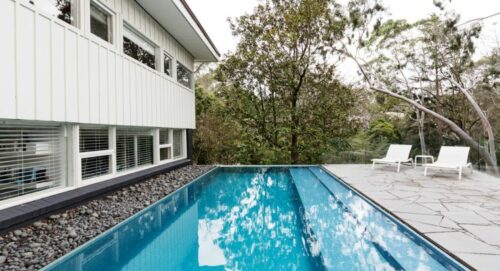 05 JulBy :Category : Uncategorized,0 CommentThe Best Pavers Available in 2024Read More
 -
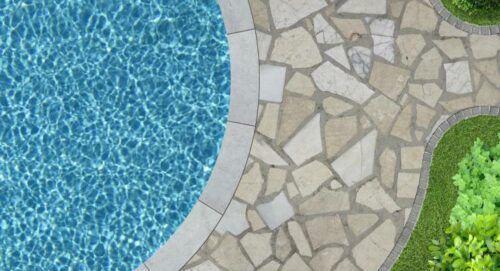 23 AprBy :Category : Uncategorized,0 CommentPaving Solutions for Pool DecksRead More
 -
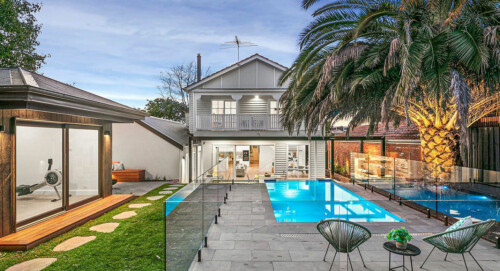 18 JanBy :Category : Uncategorized,0 CommentEnhancing Curb Appeal with Bluestone PaversRead More
 -
 29 DecBy :Category : Uncategorized,0 CommentInnovations in Drainage Solutions: Lauxes GratesRead More
 -
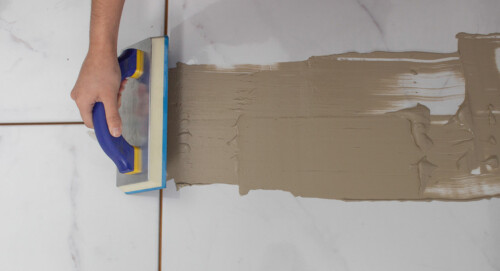 22 DecBy :Category : Uncategorized,0 CommentBest Grouting Solutions for PaversRead More
 -
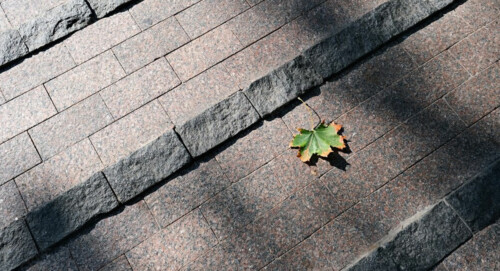 01 NovBy :Category : Uncategorized,0 CommentBenefits of Natural Stone PaversRead More
 -
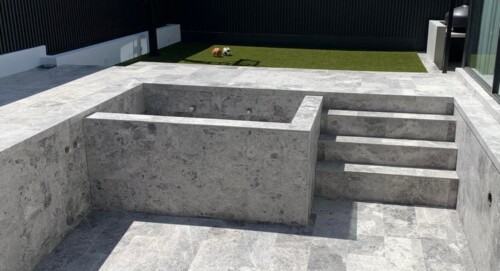 02 OctBy :Category : Uncategorized,0 CommentMaintaining Pavers: Cleaning and SealingRead More
 -
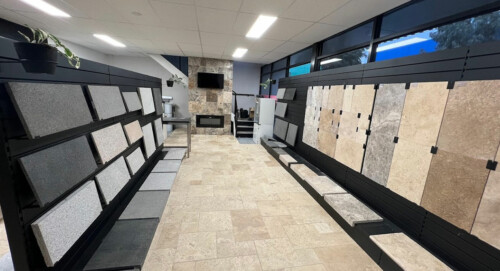 28 SepBy :Category : Uncategorized,0 CommentChoosing the Right Paver Material | Advantages of Different Stone TypesRead More


