








You’ve got space outdoors, but you have no idea how to choose a paver. Let’s take a look at porcelain paver thickness options and why it can make a bigger difference than you think.
Whether your goal is to improve a garden pathway, commercial driveway or light rooftop terrace, this will be your best guide to investing in the best porcelain paver for your home renovation project.
Porcelain Paver Sizing Importance

Pavers come in different sizes, but what is best for you? Here’s a quick rundown.
16mm Porcelain Pavers (1.6cm)
This thickness is great for rooftops, balconies, decorative walkways, putting together a patio, or any project where there are load restrictions. Compatible with adhesive installations, it offers all the durability of porcelain in a thin, light format.
20mm Porcelain Pavers (2cm)
20mm is the industry standard for the majority of outdoor applications with porcelain. It also provides weather resistance and strength for light commercial spaces and homes. It is suitable for pedestal, dry lay, or mortared installations.
30mm Porcelain Pavers (3cm)
More so for heavy-duty applications (such as high-traffic public and vehicle access areas), 30mm thicknesses are heavier and stronger than a 20mm even in the roughest of weather.
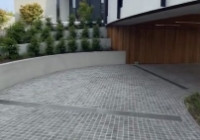
What is this paver thickness best for? Parking zones, hotel and resort entrances, commercial courtyards, public plazas, and driveways.
Small Porcelain Pavers
Fancying an intricate design for fire pit lounges or dining areas? Make use of smaller pavers by creating patterns such as basketweave, herringbone, or a custom mosaic.
Why might you prefer small pavers? There’s often more flexibility for design adjustments if the project changes or if you plan on renovating in future.
Large Porcelain Pavers
Large format porcelain pavers have fewer seams and can give the illusion of a more open area, or mirror the scale and style of your interior flooring if you choose to extend a living space beyond inside the home.
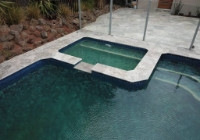
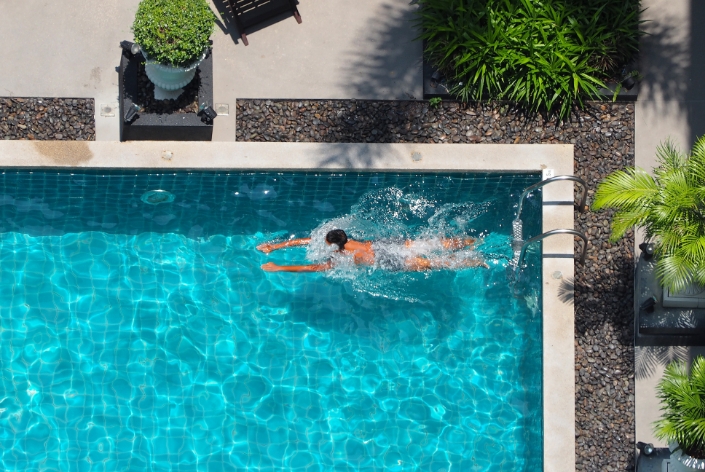
Why would larger pavers work for you? Fewer grout lines mean it is easier to maintain and creates a smoother surface for foot traffic. It works well for pool areas where a stable, flat surface is ideal.
For example, if you’re working with a paver patio (and there’s a supportive structure underneath), a bit over 1cm is generally fine. If it’s a traditional patio where you put it over a compacted base, then 2cm is too thin; the standard is around 6cm.
How do you pick a size?
- Consider the area size. Pool decks or balconies should be around 20mm, whereas indoor or glued outdoor installation is around 10mm, but they must be bonded to a concrete slab.
- The installation method will determine the thickness of the porcelain. 20mm for pedestal systems, or 10 to 20mm when adhered with thinset over concrete, but it depends on the weight/load.
- What are the load-bearing requirements? For pedestrian use, 20mm is strong and weather resistant, or 30mm for vehicle traffic (20mm can be used with reinforced substrate.
- Climate factors. For example, thicker (30mm) pavers are more stable when exposed to freezing weather conditions. It’s a good idea to avoid 10mm outdoors in harsher climates unless it’s bonded to concrete. If you're unsure, 20 mm is the safest and most versatile option for almost all outdoor uses.
Is porcelain a good choice for you?
When looking at a natural stone paver next to a porcelain one, you won’t see a big difference; they are both beautiful and strong. However, porcelain can handle household chemicals and swimming pool salts on the surface.
Without TLC, natural stone can fade over time and doesn’t last as long in comparison to porcelain. Similar to moisturising your skin, porcelain pavers have a kind of permanent sunscreen. This glazing gives them UV resistance.
Natural stone pavers also bake in the sun, and this heat curls up their edges, breaking the installation bond underneath. All in all, porcelain is great against frost and resistant to thermal shock!
What about their installation processes?
With laying, the 20mm porcelain can be treated in the same way as regular pavers. Porcelain pavers are dead straight, whereas natural pavers aren’t always straight (or square), so they need more effort to lay down.
Porcelain pavers are excellent for DIYers and professionals with experience in landscaping, as there are many ways to install them. They can be laid almost exactly the same way as stone or concrete pavers on a gravel/sand base, on grass, or on a concrete slab base.
What’s more, they can be laid up to the edge of a pool. When planning an installation in a commercial area or in a driveway, tiles must be laid on a concrete slab to be able to handle potential weight and pressure.
Porcelain is simple to install on a self-levelling pedestal system, meaning sophisticated paving without expensive structural work, and it can be dismantled without issues. If you’re a renter, you can take it all with you when you move out.
Pedestals can be as high as 550mm and as low as 10mm above the ground, or compensate for floor gradients of up to 5%. They’re flexible.
What about cutting porcelain paving?
Picking a Porcelain Paver

How else do you decide on paving? There’s a lot to think about.
The look of your space
Measure the dimensions of your spaces properly and consider the shape. You’ll be able to determine the number of porcelain pavers you need and a suitable pattern.
What are you using the space for? If it’s a walkway, driveway, or a more relaxed setting, such as a patio or pool surround. Think about your landscape and any architectural features that stand out. If your home has a modern style, you might prefer a minimalist-looking paver, such as travertine.
Do you have a style in mind?
Porcelain pavers come in all sorts of colours, designs and finishes!
- Smooth surfaces and neutral tones have a sleek, contemporary appearance
- Pavers can mimic the look of natural wood or stone
- Matte and glossy finishes for an understated look
Pavers that match your home exterior are recommended.
Slip-resistance
Patios, walkways, and pool surrounds shouldn’t be slippery, so you want to check that your paver is slip-resistant.
- Porcelain pavers have different textures, which improve grip
- What is the slip resistance rating? The R-Value, which ranges from R9 to R13, shows the level of resistance. Higher values offer better grip
- Does it comply with safety standards? Pavers must be compliant with local safety standards and regulations.
In any case, reach out to the Paver Shop team for expert advice and a product recommendation for your project.
Types of Pavers at Paver Shop!
Savannah Grey Porcelain Pavers

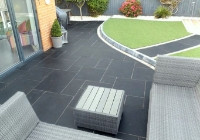
Featuring a dark grey colouring with scarce white speckling and lines throughout. Savannah Grey Porcelain adds a sophisticated and modern aesthetic to any property.
Silver Blue Travertine Porcelain Pavers

Featuring soft grey tones with subtle white splotches, these high-quality pavers bring a serene and sophisticated look to patios, pathways, driveways, and pool surrounds.
Bluestone Porcelain Pavers

Featuring a more flat dark grey tone, these high-quality pavers bring a modern and sophisticated look to patios, pathways, driveways, and pool surrounds.
Raw Silver Travertine Porcelain Pavers

Featuring beautiful texture and colouring, these porcelain pavers do well at imitating the variations of natural stone.
Bring a classic and sophisticated look to patios, pathways, driveways, and pool surrounds.
Tundra Porcelain Pavers

Featuring a beautiful white colouring with grey variations throughout, these high-quality pavers bring a modern and sophisticated look to patios, pathways, driveways, and pool surrounds.
Still unsure? Read our other guide on pavers: Porcelain Pavers vs. Concrete Pavers: Which is Better?
Order Pavers for a Range of Melbourne Projects!
Do you want to order pavers for your Brunswick, Bundoora, Greenvale, Mill Park, Northcote, Pascoe Vale, or Preston home?
Opened in 2019, Paver Shop is owned and operated by a trade professional with over 20 years of experience in the paving and landscaping industry. Whether it’s bluestone, granite, travertine, sandstone, limestone or shell stone, we cover a range of sizes and finishes to give you the look you wish to achieve.
With a trade background in quality installation of pavers and landscaping, we can quote your property and/or recommend preferred installers to you. This makes us a one-stop shop, saving you time and money.
Contact us for a free quote on a supply or install, or visit our showroom in Thomastown, Victoria. You can also email sales@pavershop.com.au. We also offer a “we come to you” service!
-
 25 MayBy :Category : Uncategorized,0 CommentWhy Professional Installation is Crucial for Natural Sandstone PavingRead More
 -
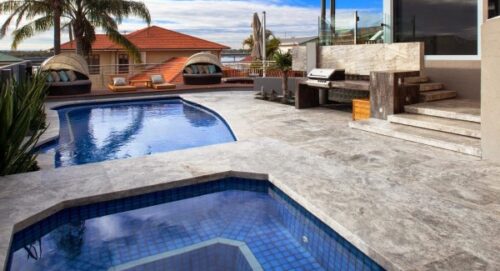 23 AprBy :Category : Uncategorized,0 CommentFilled vs. Unfilled Travertine: Which is Better for Your Outdoor Space?Read More
 -
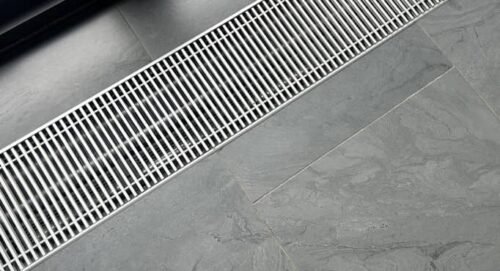 19 MarBy :Category : Uncategorized,0 CommentEssential Maintenance: How to Clean and Care for Your Metal and Aluminium Drain GratesRead More
 -
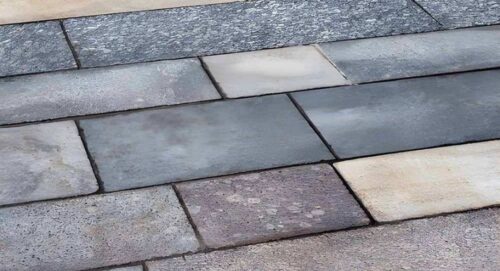 12 FebBy :Category : Uncategorized,0 CommentChoosing the Right Thickness for Granite Pavers: Paths, Patios, and DrivewaysRead More
 -
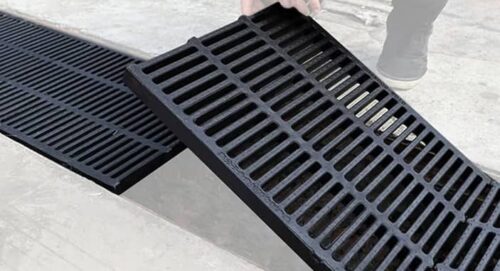 29 JanBy :Category : Uncategorized,0 CommentAluminium vs. Concrete: Choosing the Right Drain Grate for Your ProjectRead More
 -
 26 DecBy :Category : Uncategorized,0 CommentSandstone Pavers vs Bluestone Pavers: A Practical Comparison for Australian HomesRead More
 -
 27 NovBy :Category : Uncategorized,0 CommentGranite vs. Concrete Pavers: Which Is Right for Your Driveway?Read More
 -
 06 NovBy :Category : Uncategorized,0 CommentSandstone Pavers for Pool Decks: Why They Are the Perfect ChoiceRead More
 -
 15 SepBy :Category : Uncategorized,0 CommentCobblestone vs. Pavers: Pros, Cons & Which to ChooseRead More
 -
 26 AugBy :Category : Uncategorized,0 CommentWhy Choose Limestone Pavers? Top Benefits for Outdoor SpacesRead More
 -
 16 JunBy :Category : Uncategorized,0 CommentPlastic vs. Metal Drain Grates: Pros and ConsRead More
 -
 29 MayBy :Category : Uncategorized,0 CommentNatural Stone vs. Concrete Pavers: Which Is Right for Your Project?Read More
 -
 17 AprBy :Category : Uncategorized,0 CommentHow to Choose the Best Paving Contractors for Your ProjectRead More
 -
 07 MarBy :Category : Uncategorized,0 CommentIs Mapei Grout Waterproof? Understanding Its Water ResistanceRead More
 -
 10 FebBy :Category : Uncategorized,0 CommentWhat Is a Hide Skimmer Lid? Everything You Need to KnowRead More
 -
 21 JanBy :Category : Uncategorized,0 CommentWhat Are the Different Types of Travertine Pavers and Their Uses?Read More
 -
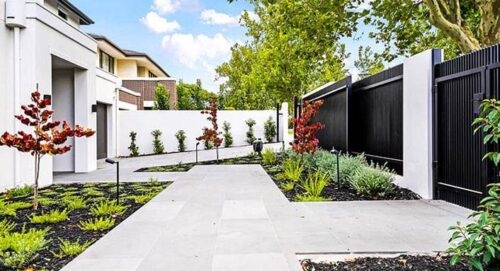 13 DecBy :Category : Uncategorized,0 CommentPorcelain Pavers vs Natural Stone Pavers: Which is Better?Read More
 -
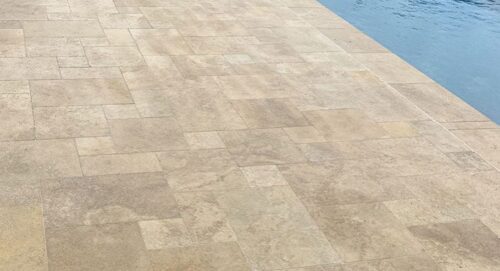 06 DecBy :Category : Uncategorized,0 CommentTop 10 Benefits of Porcelain Pavers: Why They’re the Perfect Choice for Your Outdoor SpaceRead More
 -
 14 OctBy :Category : Uncategorized,0 CommentPorcelain Pavers vs. Concrete Pavers: Which is Better?Read More
 -
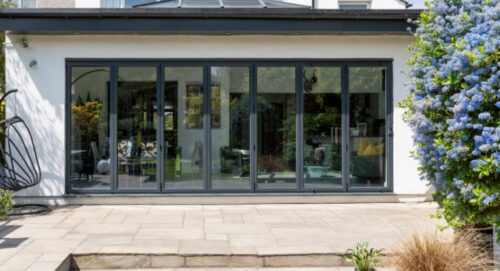 04 SepBy :Category : Uncategorized,0 CommentLimestone vs Sandstone Pavers: How to Find the Right Paver for Your HomeRead More
 -
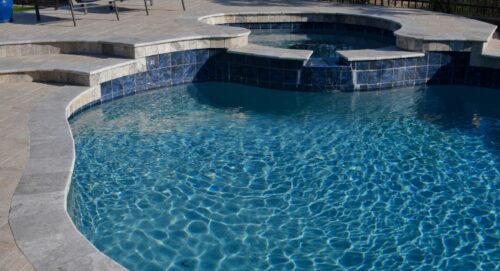 04 SepBy :Category : Uncategorized,0 CommentAre Travertine Pavers Worth the Investment? Our Experts Weigh InRead More
 -
 04 SepBy :Category : Uncategorized,0 CommentTop 6 Benefits of Porcelain Pavers: The Perfect Choice for Your OutdoorsRead More
 -
 02 AugBy :Category : Uncategorized,0 CommentTypes of Drain Grates – A Comprehensive ReviewRead More
 -
 19 JulBy :Category : Uncategorized,0 CommentHow to Properly Maintain Your Natural Stone PaversRead More
 -
 05 JulBy :Category : Uncategorized,0 CommentThe Best Pavers Available in 2024Read More
 -
 23 AprBy :Category : Uncategorized,0 CommentPaving Solutions for Pool DecksRead More
 -
 18 JanBy :Category : Uncategorized,0 CommentEnhancing Curb Appeal with Bluestone PaversRead More
 -
 29 DecBy :Category : Uncategorized,0 CommentInnovations in Drainage Solutions: Lauxes GratesRead More
 -
 22 DecBy :Category : Uncategorized,0 CommentBest Grouting Solutions for PaversRead More
 -
 01 NovBy :Category : Uncategorized,0 CommentBenefits of Natural Stone PaversRead More
 -
 02 OctBy :Category : Uncategorized,0 CommentMaintaining Pavers: Cleaning and SealingRead More
 -
 28 SepBy :Category : Uncategorized,0 CommentChoosing the Right Paver Material | Advantages of Different Stone TypesRead More


