



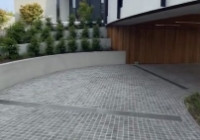

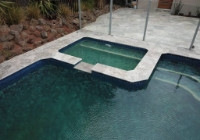
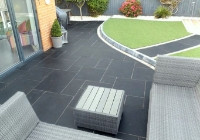

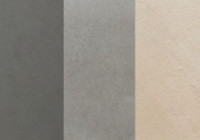





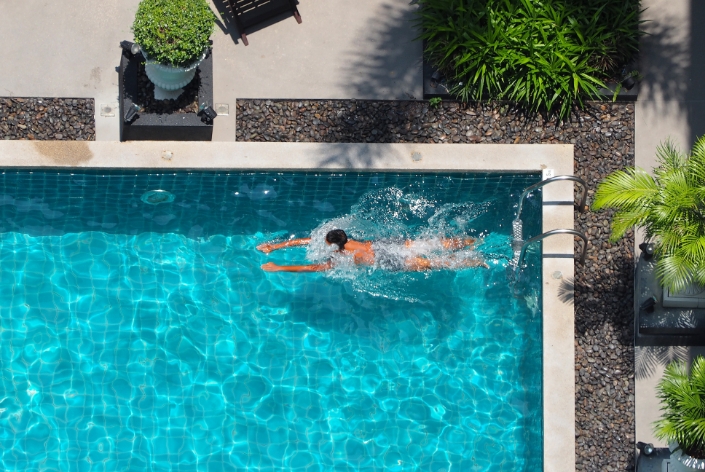
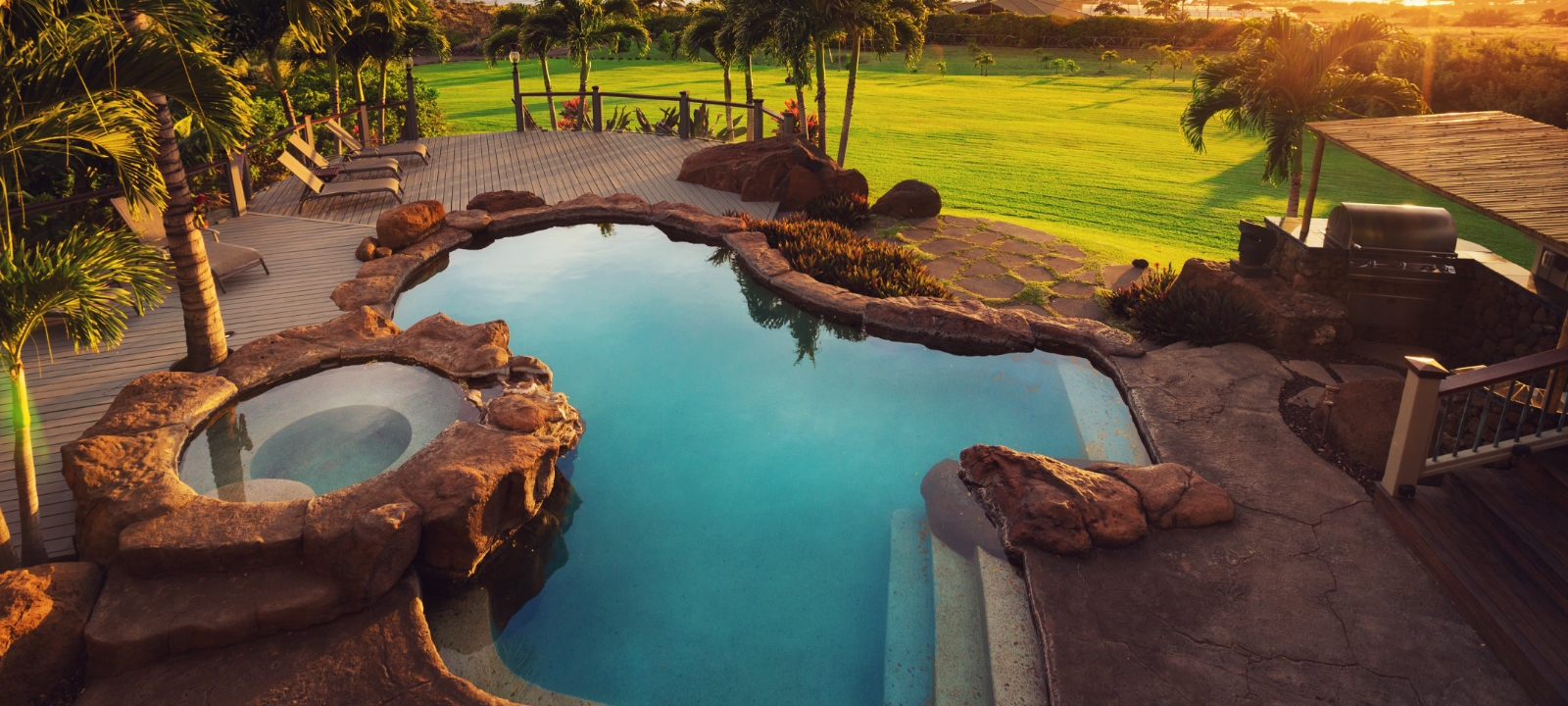
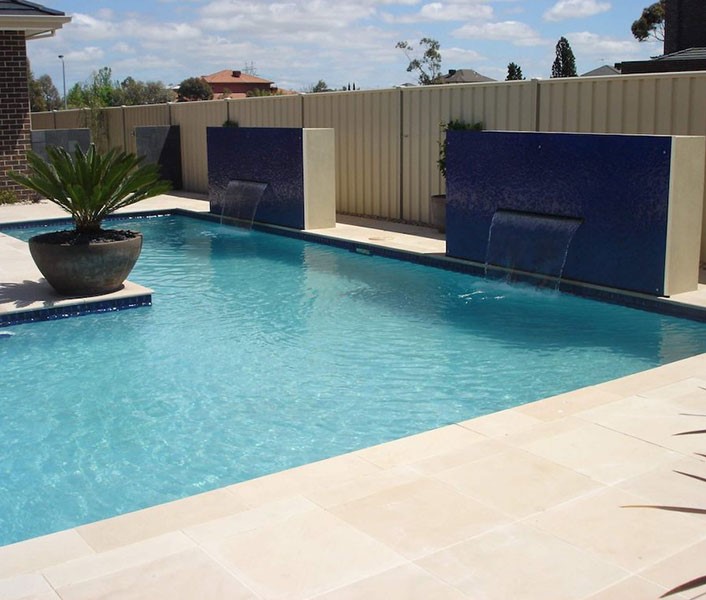
Paving material has a dramatic impact on how an outdoor space looks, feels and performs. For many Melbourne homeowners, the decision often comes down to two tried and true options; sandstone or bluestone pavers. Both are popular natural stone options with a strong track record, and are commonly found everywhere from patios to pool surrounds, pathways and driveways.
While sandstone and bluestone may appear a little similar at first glance, they behave quite differently once installed. In this article, we’re going to take a look at the differences between sandstone pavers and bluestone pavers.
Understanding natural stone pavers
Natural stone pavers are quarried products cut directly from stone blocks. Unlike manufactured pavers, each piece has natural variation in colour, texture and pattern. This is often one of the main reasons homeowners choose stone, as it creates a more organic and timeless finish.
Sandstone and bluestone are two of the most commonly used natural stone pavers in Australia, but they differ significantly in composition and performance.
What are sandstone pavers?
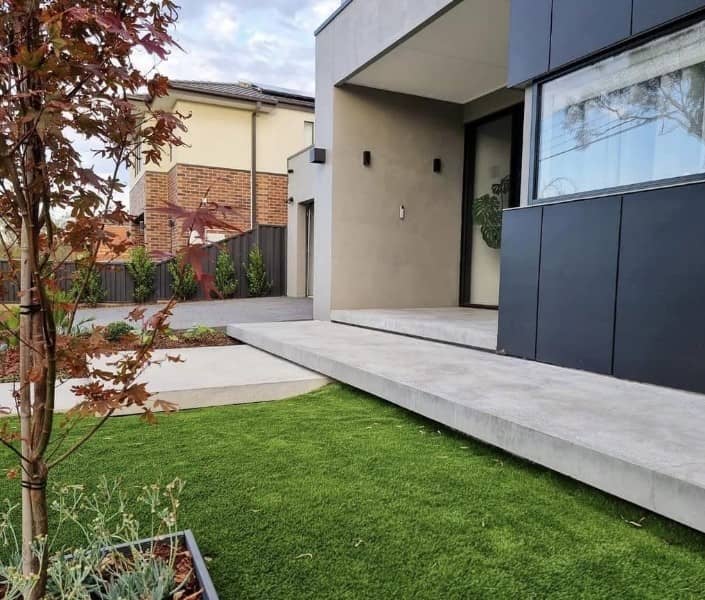
Sandstone is a sedimentary rock formed over millions of years. It is known for its warm tones, natural texture and softer appearance.
Sandstone pavers are commonly used in outdoor living areas where comfort underfoot and visual warmth are important.
Key benefits of sandstone pavers
Sandstone offers several advantages in residential applications.
It is valued for:
- Naturally warm colour tones that suit Australian landscapes
- A textured surface that provides good slip resistance
- Cooler surface temperatures in direct sunlight
- A relaxed, coastal or natural aesthetic
Because sandstone stays cooler underfoot, it is widely used around swimming pools and entertaining areas. Homeowners searching for sandstone pavers in Melbourne options often prioritise comfort and appearance over a more industrial look.
The Paver Shop supplies a range of sandstone pavers for sale suited to pool surrounds, patios and garden pathways.
Considerations when choosing sandstone
While sandstone is visually appealing, it does require some consideration.
Potential limitations include:
- Softer composition compared to bluestone
- Greater susceptibility to staining if not sealed
- Natural variation that may not suit highly uniform designs
Sandstone performs best when installed in areas with moderate foot traffic rather than heavy vehicle use.
Maintenance and care for sandstone
Sandstone benefits from regular maintenance to preserve its appearance. Sealing is strongly recommended to reduce moisture absorption and staining from leaves, food or pool chemicals.
Routine cleaning with mild detergents and water helps maintain colour and texture over time.
What are bluestone pavers?
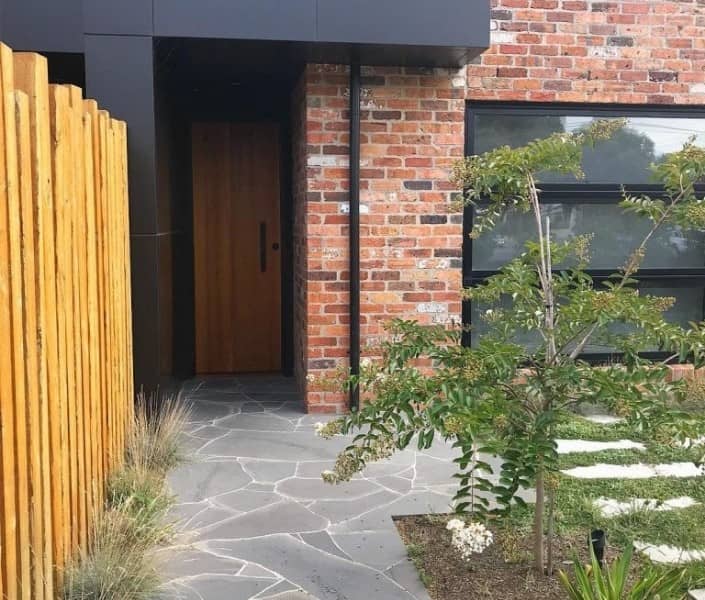
Bluestone is a dense volcanic basalt stone. It is known for its strength, durability and contemporary appearance.
Bluestone pavers are commonly used in driveways, high-traffic areas and modern landscaping designs.
Key benefits of bluestone pavers
Bluestone is chosen for its performance and structural reliability.
Its main advantages include:
- High density and strength suitable for heavy loads
- Consistent colour tones, usually charcoal to blue-grey
- Long lifespan with minimal surface wear
- Clean, modern appearance
Bluestone works well in both residential and commercial settings. Homeowners looking for bluestone pavers for sale often prioritise durability and a refined, architectural look.
The Paver Shop offers bluestone options suitable for driveways, pathways and large outdoor areas.
Considerations when choosing bluestone
Bluestone also has characteristics that may not suit every project.
These include:
- Darker colours that absorb heat in direct sun
- Smoother finishes that may require attention to slip resistance
- Higher material cost compared to some sandstone options
Bluestone is commonly selected where durability is more important than surface temperature.
Maintenance and care for bluestone
Bluestone is relatively low maintenance. Regular cleaning helps prevent surface staining, especially in shaded areas. Sealing can enhance colour depth and reduce the risk of marks from oil or organic material.
Because of its density, bluestone generally holds up well over time with minimal intervention.
Sandstone pavers vs bluestone pavers: Key comparisons
Both materials are reliable natural stone options. The right choice depends on how and where the pavers will be used.
Appearance and style
Sandstone offers warm, earthy tones that suit coastal, traditional and natural landscaping styles. It blends well with gardens, greenery and outdoor living areas.
Bluestone provides a more uniform, contemporary finish. Its darker tones complement modern homes and structured outdoor designs.
Durability and strength
Bluestone is significantly harder and denser than sandstone. It is better suited to driveways and high-traffic zones.
Sandstone is durable for foot traffic but is more suitable for patios, pool surrounds and pathways rather than vehicle areas.
Comfort and temperature
Sandstone remains cooler underfoot, making it more comfortable in exposed outdoor spaces.
Bluestone can absorb heat, particularly in darker finishes, which may be noticeable during warmer months.
Slip resistance and safety
Both materials can offer good slip resistance depending on the finish selected.
Textured sandstone naturally provides grip, which is why it is often chosen for pool surrounds.
Bluestone slip resistance varies by finish. Honed or sawn surfaces may require additional treatments in wet areas.
Installation considerations
Both sandstone and bluestone require professional installation and a properly prepared base.
Bluestone’s weight and density make correct base preparation critical, especially for driveways.
Sandstone is easier to cut and shape, which can assist with intricate designs or curved layouts.
Long-term value
Bluestone typically has a higher upfront cost but offers long-term durability with minimal replacement.
Sandstone may have a lower initial cost but requires sealing and ongoing care to maintain its appearance.
Which option suits different outdoor areas?
Sandstone pavers are often suited to:
- Pool surrounds
- Patios and alfresco areas
- Garden pathways
- Homes seeking a warm, natural aesthetic
Bluestone pavers are often better suited to:
- Driveways
- High-traffic pathways
- Modern outdoor designs
- Areas requiring maximum durability
Get Expert Advice and Guidance from The Paver Shop Team
The Paver Shop supplies both sandstone and bluestone paving options, with guidance tailored to residential applications. Their team assists homeowners in selecting stone based on usage, location and maintenance expectations rather than aesthetics alone.
By offering practical advice and access to quality materials, The Paver Shop helps ensure outdoor spaces perform well over time.
Related reading
You may also find these guides helpful when comparing paving materials:
- Sandstone Pavers for Pool Decks: Why They Are the Perfect Choice
- Cobblestone vs Pavers: Pros, Cons & Which to Choose
- Natural Stone vs Concrete Pavers: Which Is Right for Your Project?
Making the right choice for your project
Sandstone and bluestone pavers both offer reliable, long-lasting outdoor solutions when chosen for the right application. Sandstone suits relaxed living spaces where comfort and warmth matter. Bluestone suits areas where strength, structure and longevity are key.
If you’re unsure which option suits your driveway, the team at The Paver Shop can help guide your decision based on your space and requirements.
Since opening in 2019, Paver Shop has been proudly owned and run by a trade professional with over 20 years of experience in paving and landscaping. We specialise in supplying high-quality, natural stone products, offering a variety of options to suit your style and project needs.
Thanks to our hands-on industry experience, we can supply and install sandstone pavers, provide accurate quotes for your property, or connect you with trusted, professional installers. With us, you’re saving both time and money at a one-stop shop.
-
 25 MayBy :Category : Uncategorized,0 CommentWhy Professional Installation is Crucial for Natural Sandstone PavingRead More
 -
 23 AprBy :Category : Uncategorized,0 CommentFilled vs. Unfilled Travertine: Which is Better for Your Outdoor Space?Read More
 -
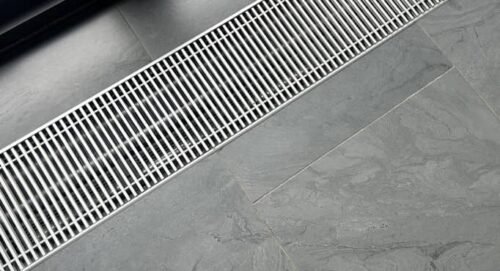 19 MarBy :Category : Uncategorized,0 CommentEssential Maintenance: How to Clean and Care for Your Metal and Aluminium Drain GratesRead More
 -
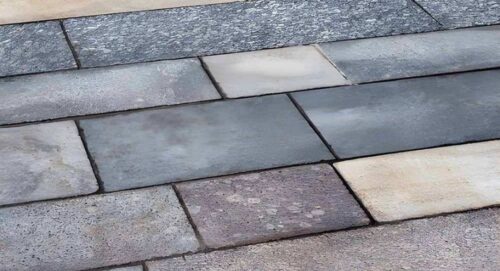 12 FebBy :Category : Uncategorized,0 CommentChoosing the Right Thickness for Granite Pavers: Paths, Patios, and DrivewaysRead More
 -
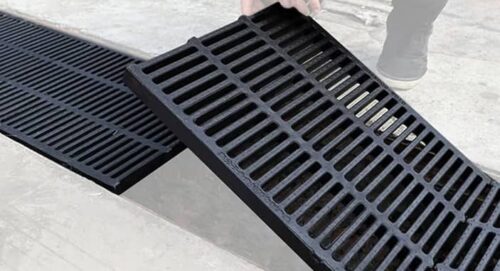 29 JanBy :Category : Uncategorized,0 CommentAluminium vs. Concrete: Choosing the Right Drain Grate for Your ProjectRead More
 -
 27 NovBy :Category : Uncategorized,0 CommentGranite vs. Concrete Pavers: Which Is Right for Your Driveway?Read More
 -
 06 NovBy :Category : Uncategorized,0 CommentSandstone Pavers for Pool Decks: Why They Are the Perfect ChoiceRead More
 -
 15 SepBy :Category : Uncategorized,0 CommentCobblestone vs. Pavers: Pros, Cons & Which to ChooseRead More
 -
 26 AugBy :Category : Uncategorized,0 CommentWhy Choose Limestone Pavers? Top Benefits for Outdoor SpacesRead More
 -
 31 JulBy :Category : Uncategorized,0 CommentHow to Choose the Right Porcelain Paver Thickness for Your ProjectRead More
 -
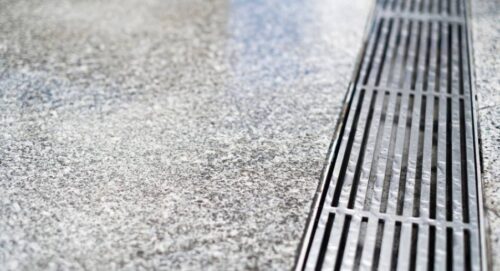 16 JunBy :Category : Uncategorized,0 CommentPlastic vs. Metal Drain Grates: Pros and ConsRead More
 -
 29 MayBy :Category : Uncategorized,0 CommentNatural Stone vs. Concrete Pavers: Which Is Right for Your Project?Read More
 -
 17 AprBy :Category : Uncategorized,0 CommentHow to Choose the Best Paving Contractors for Your ProjectRead More
 -
 07 MarBy :Category : Uncategorized,0 CommentIs Mapei Grout Waterproof? Understanding Its Water ResistanceRead More
 -
 10 FebBy :Category : Uncategorized,0 CommentWhat Is a Hide Skimmer Lid? Everything You Need to KnowRead More
 -
 21 JanBy :Category : Uncategorized,0 CommentWhat Are the Different Types of Travertine Pavers and Their Uses?Read More
 -
 13 DecBy :Category : Uncategorized,0 CommentPorcelain Pavers vs Natural Stone Pavers: Which is Better?Read More
 -
 06 DecBy :Category : Uncategorized,0 CommentTop 10 Benefits of Porcelain Pavers: Why They’re the Perfect Choice for Your Outdoor SpaceRead More
 -
 14 OctBy :Category : Uncategorized,0 CommentPorcelain Pavers vs. Concrete Pavers: Which is Better?Read More
 -
 04 SepBy :Category : Uncategorized,0 CommentLimestone vs Sandstone Pavers: How to Find the Right Paver for Your HomeRead More
 -
 04 SepBy :Category : Uncategorized,0 CommentAre Travertine Pavers Worth the Investment? Our Experts Weigh InRead More
 -
 04 SepBy :Category : Uncategorized,0 CommentTop 6 Benefits of Porcelain Pavers: The Perfect Choice for Your OutdoorsRead More
 -
 02 AugBy :Category : Uncategorized,0 CommentTypes of Drain Grates – A Comprehensive ReviewRead More
 -
 19 JulBy :Category : Uncategorized,0 CommentHow to Properly Maintain Your Natural Stone PaversRead More
 -
 05 JulBy :Category : Uncategorized,0 CommentThe Best Pavers Available in 2024Read More
 -
 23 AprBy :Category : Uncategorized,0 CommentPaving Solutions for Pool DecksRead More
 -
 18 JanBy :Category : Uncategorized,0 CommentEnhancing Curb Appeal with Bluestone PaversRead More
 -
 29 DecBy :Category : Uncategorized,0 CommentInnovations in Drainage Solutions: Lauxes GratesRead More
 -
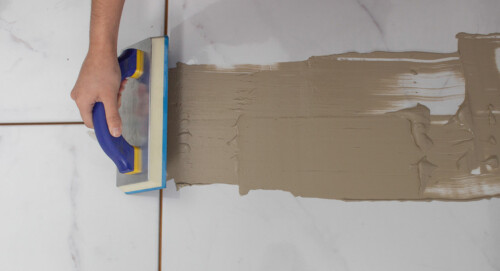 22 DecBy :Category : Uncategorized,0 CommentBest Grouting Solutions for PaversRead More
 -
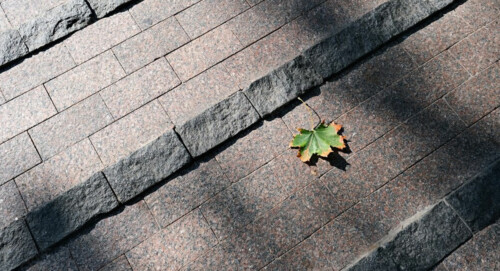 01 NovBy :Category : Uncategorized,0 CommentBenefits of Natural Stone PaversRead More
 -
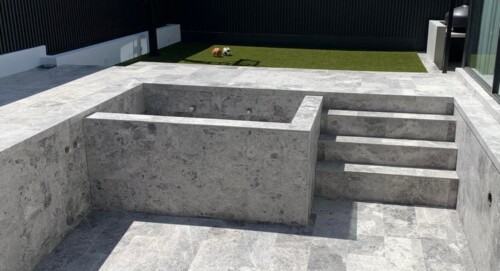 02 OctBy :Category : Uncategorized,0 CommentMaintaining Pavers: Cleaning and SealingRead More
 -
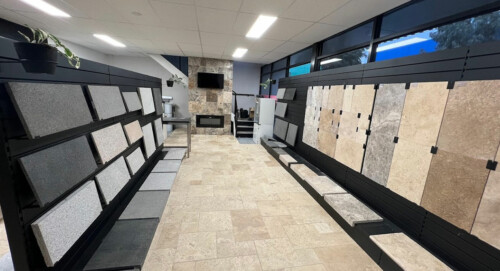 28 SepBy :Category : Uncategorized,0 CommentChoosing the Right Paver Material | Advantages of Different Stone TypesRead More


