












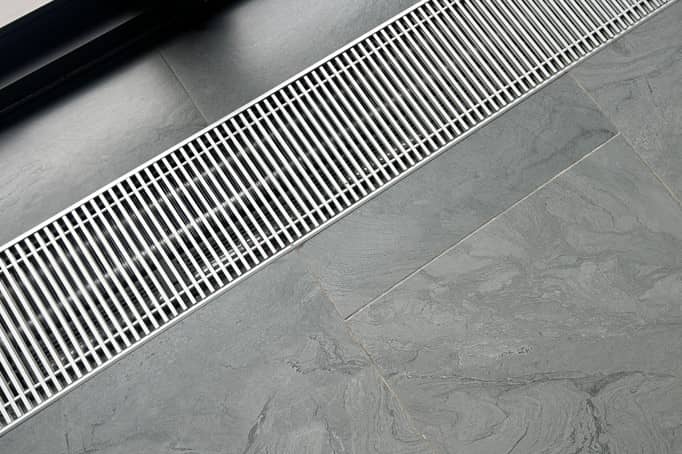
They sit quietly at the edge of your patio, beside your pool, or along your driveway, doing one of the most thankless jobs in outdoor living. Metal drain grates and aluminium drain grates are built to last, but only if you give them the attention they deserve. Neglect them long enough and you'll be dealing with blockages, corrosion, and drainage failures that can cause serious water damage to your property.
The good news? Keeping your grates in top condition doesn't require professional or expensive equipment. A consistent routine, the right products, and a little know-how will see your grates looking sharp and working perfectly for years to come.
Why Drain Grate Maintenance Matters More Than You Think
Most homeowners clean their pavers, seal their stone surfaces, and tend to their gardens religiously. But the drain grate often gets overlooked until something goes wrong. That's a costly mistake.
Outdoor drain grates are exposed to everything the Australian climate can throw at them: UV radiation, heavy summer downpours, leaf litter, grit, and everything in between. Over time, debris accumulates, organic matter decomposes, and blockages form. Stormwater and pool water carry minerals that leave behind deposits. In coastal areas or around pools, salt air and chlorine can accelerate wear on untreated surfaces.
On top of that, a clogged or corroded grate isn't just an eyesore. It's a functional hazard. Blocked channel drain grates can cause water to back up and pool across your paving, increasing the risk of slips and structural damage to your outdoor area. That's a problem no one wants.
The bottom line is simple: a bit of regular care protects your investment and keeps your outdoor spaces safe and looking their best. For a deeper look at how different materials perform over time, our blog on Plastic vs. Metal Drain Grates: Pros and Cons is a great starting point.
Understanding What You're Working With
Before you grab a scrubbing brush, it helps to understand the material you're dealing with. Metal and aluminium drain grates behave differently, and the wrong cleaning approach can cause more harm than good.
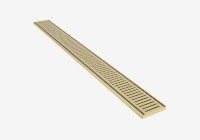
Aluminium is one of the most popular materials for residential and commercial grates. It's lightweight, corrosion-resistant, and holds up exceptionally well in wet environments. Products from Lauxes available through Pavershop's Lauxes Grates range are a prime example of high-quality aluminium construction designed specifically for Australian conditions. The Lauxes Aluminium Floor Grates Kit, for instance, delivers both function and a clean, contemporary aesthetic that suits modern outdoor spaces.
Stainless steel drain grates are another common option, often used in higher-traffic areas. They're exceptionally strong and resistant to rust, though they can develop water spots and surface staining without proper care.
Cast iron and galvanised steel grates, typically found in older installations or industrial settings, require more vigilance as they are more susceptible to rust when their protective coating wears away.
Knowing your grate's material means you can clean it effectively without stripping finishes or causing pitting. If you're unsure what type you have, our overview of types of drain grates can help you identify it.
Your Regular Cleaning Routine: Step by Step
How to clean drain grates properly isn't complicated, but consistency is key. Aim to do a basic clean fortnightly, with a more thorough session every few months.
Step 1: Remove the Grate and Clear Debris
Start by lifting the grate free from its channel or drain opening. Most linear drain grates and shower drain grates are designed to be removed easily you shouldn't need tools for this step. Once it's out, tip it over a bin and clear away any trapped leaves, dirt, hair, or sediment by hand or with a stiff-bristled brush.
Don't neglect the channel or drain pit itself. Use a gloved hand or a small trowel to scoop out any build-up sitting at the base. This is where most blockages start.
Step 2: Rinse Thoroughly
Take the grate to a hose or outdoor tap and rinse both sides under a solid stream of water. This loosens any remaining grit or organic matter lodged in the slots or perforations. A pressure washer works well here too, though keep it at a moderate setting to avoid bending or denting lighter aluminium grates.
Step 3: Scrub and Clean
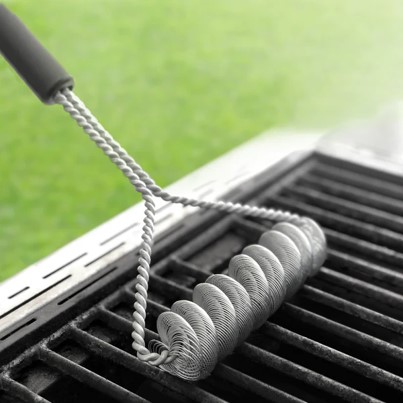
For general cleaning, warm water and a small amount of mild dish soap is genuinely effective. Use a soft-bristled brush or non-scratch scouring pad and work it along the length of the grate, paying particular attention to the slots where residue builds up.
For tougher stains, calcium deposits, or algae growth, a diluted white vinegar solution (equal parts water and vinegar) applied and left for ten to fifteen minutes does an excellent job of breaking down mineral deposits without damaging aluminium finishes. Always rinse thoroughly afterwards.
Avoid harsh bleach-based cleaners on aluminium unless the product is specifically rated safe for that material. Bleach can cause pitting and discolouration over time.
Step 4: Treat Rust or Corrosion Early
If you have stainless steel drain grates or older galvanised grates showing early signs of surface rust, address it promptly. A rust remover or fine-grade steel wool can clear light surface oxidation. For more advanced corrosion, it may be worth considering a replacement grate. Catching it early saves you the cost and hassle of dealing with a compromised drain system later on.
Step 5: Dry and Reinstall
Before reinstalling the grate, let it air dry or wipe it down with a clean cloth. Reinstalling it wet isn't a major issue, but a quick dry prevents water from sitting in crevices unnecessarily. Make sure it sits flush and secure in the channel before finishing up.
Seasonal and Deep Cleaning: What to Do Every Few Months
Beyond your regular routine, a deeper drain grate maintenance session once a season keeps things in excellent condition.
After autumn, when leaf fall is at its heaviest, do a thorough clean of all outdoor drains before the winter rains arrive. Check the condition of the grate body for any signs of damage, bending, or loose fittings. Inspect the surrounding pavers for cracking or lifting, which can affect how water flows towards the drain in the first place. For tips on caring for the surrounding surface, our guide on maintaining pavers: cleaning and sealing covers everything you need to know.
Spring is a good time to assess whether your grates need any protective treatment. Many aluminium drain grates benefit from a light coat of a purpose-formulated surface protector to extend their finish and resist future build-up. Pavershop stocks a range of sealers and protectors that work well on surrounding stone and can help your drainage system as a whole resist staining and weathering.
Common Mistakes to Avoid
Even well-meaning maintenance can go wrong. Here are a few things to steer clear of:
- Using abrasive steel wool on aluminium can scratch the surface and create micro-grooves where dirt and bacteria accumulate.
- Ignoring the drain channel itself while cleaning only the grate leaves the real source of blockages untouched.
- Leaving standing water or damp debris around the drain opening accelerates corrosion and encourages mould and algae growth.
- Using incompatible chemical cleaners can strip anodised or powder-coated finishes from premium grates, dulling their appearance permanently.
Choosing the Right Grate for Low-Maintenance Living
Sometimes the easiest maintenance is choosing a product that doesn't demand much of you in the first place. If you're installing new drainage or replacing old grates, it's worth thinking carefully about material and design from the outset.
Pavershop's Lauxes Grates range includes options like the NXT grate and the Storm Water grate, both engineered for durability and ease of cleaning in Australian outdoor conditions. The Tile Insert option is particularly popular for seamless integration with paved surfaces, creating a clean finish that's as easy to maintain as it is to look at.
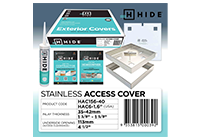
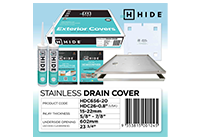
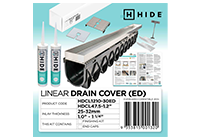
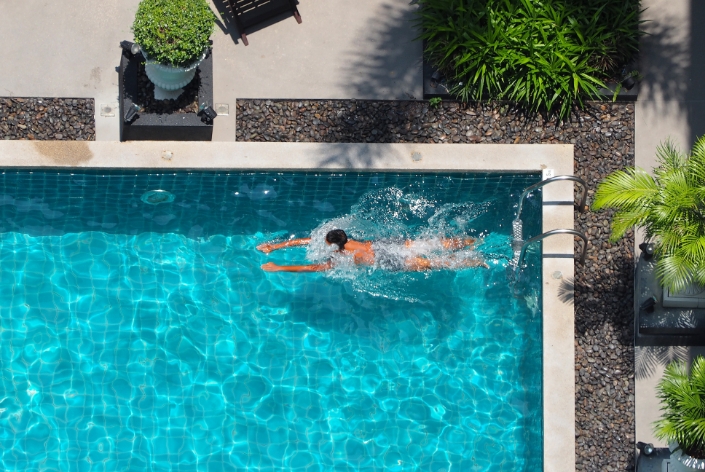
For areas around pools, Pavershop's Hide Linear Drain Covers offer a discreet, elegant solution that blends into paving surfaces without sacrificing function. If you're weighing up materials for a new installation, our blog on Aluminium vs. Concrete: Choosing the Right Drain Grate for Your Project breaks down the key differences and trade-offs clearly.
How Often Should You Really Be Cleaning?
A question worth answering directly: for most residential outdoor areas, a light drain grate cleaning every two weeks and a thorough clean every three months is more than enough. If you have large trees overhanging your outdoor area, a pool, or high foot traffic, you'll want to increase that frequency during peak periods.
The real marker isn't a calendar date it's your drain's performance. If water is pooling, draining slowly, or you can see visible build-up, it's time for a clean regardless of when you last did one.
Ready to Upgrade or Replace Your Drain Grates?
Well-maintained grates last a long time, but they don't last forever. If your current grates are corroded, damaged, or simply not doing their job as well as they used to, it may be time for an upgrade.
At Pavershop, we supply a carefully curated range of high-quality metal and aluminium drain grates to suit both residential and commercial projects across Melbourne and Victoria. From the sleek, modern lines of the Lauxes range to purpose-built drainage solutions for pools and patios, our team can help you find the right fit for your space and budget.
Visit our showroom in Thomastown, browse our full grates range online, or give our friendly team a call on (03) 9462 4325 to talk through your options. You can also request a free quote for supply and installation today.
Your drains work hard. Give them the care they deserve.
-
 25 MayBy :Category : Uncategorized,0 CommentWhy Professional Installation is Crucial for Natural Sandstone PavingRead More
 -
 23 AprBy :Category : Uncategorized,0 CommentFilled vs. Unfilled Travertine: Which is Better for Your Outdoor Space?Read More
 -
 12 FebBy :Category : Uncategorized,0 CommentChoosing the Right Thickness for Granite Pavers: Paths, Patios, and DrivewaysRead More
 -
 29 JanBy :Category : Uncategorized,0 CommentAluminium vs. Concrete: Choosing the Right Drain Grate for Your ProjectRead More
 -
 26 DecBy :Category : Uncategorized,0 CommentSandstone Pavers vs Bluestone Pavers: A Practical Comparison for Australian HomesRead More
 -
 27 NovBy :Category : Uncategorized,0 CommentGranite vs. Concrete Pavers: Which Is Right for Your Driveway?Read More
 -
 06 NovBy :Category : Uncategorized,0 CommentSandstone Pavers for Pool Decks: Why They Are the Perfect ChoiceRead More
 -
 15 SepBy :Category : Uncategorized,0 CommentCobblestone vs. Pavers: Pros, Cons & Which to ChooseRead More
 -
 26 AugBy :Category : Uncategorized,0 CommentWhy Choose Limestone Pavers? Top Benefits for Outdoor SpacesRead More
 -
 31 JulBy :Category : Uncategorized,0 CommentHow to Choose the Right Porcelain Paver Thickness for Your ProjectRead More
 -
 16 JunBy :Category : Uncategorized,0 CommentPlastic vs. Metal Drain Grates: Pros and ConsRead More
 -
 29 MayBy :Category : Uncategorized,0 CommentNatural Stone vs. Concrete Pavers: Which Is Right for Your Project?Read More
 -
 17 AprBy :Category : Uncategorized,0 CommentHow to Choose the Best Paving Contractors for Your ProjectRead More
 -
 07 MarBy :Category : Uncategorized,0 CommentIs Mapei Grout Waterproof? Understanding Its Water ResistanceRead More
 -
 10 FebBy :Category : Uncategorized,0 CommentWhat Is a Hide Skimmer Lid? Everything You Need to KnowRead More
 -
 21 JanBy :Category : Uncategorized,0 CommentWhat Are the Different Types of Travertine Pavers and Their Uses?Read More
 -
 13 DecBy :Category : Uncategorized,0 CommentPorcelain Pavers vs Natural Stone Pavers: Which is Better?Read More
 -
 06 DecBy :Category : Uncategorized,0 CommentTop 10 Benefits of Porcelain Pavers: Why They’re the Perfect Choice for Your Outdoor SpaceRead More
 -
 14 OctBy :Category : Uncategorized,0 CommentPorcelain Pavers vs. Concrete Pavers: Which is Better?Read More
 -
 04 SepBy :Category : Uncategorized,0 CommentLimestone vs Sandstone Pavers: How to Find the Right Paver for Your HomeRead More
 -
 04 SepBy :Category : Uncategorized,0 CommentAre Travertine Pavers Worth the Investment? Our Experts Weigh InRead More
 -
 04 SepBy :Category : Uncategorized,0 CommentTop 6 Benefits of Porcelain Pavers: The Perfect Choice for Your OutdoorsRead More
 -
 02 AugBy :Category : Uncategorized,0 CommentTypes of Drain Grates – A Comprehensive ReviewRead More
 -
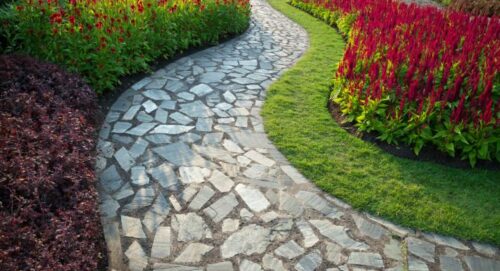 19 JulBy :Category : Uncategorized,0 CommentHow to Properly Maintain Your Natural Stone PaversRead More
 -
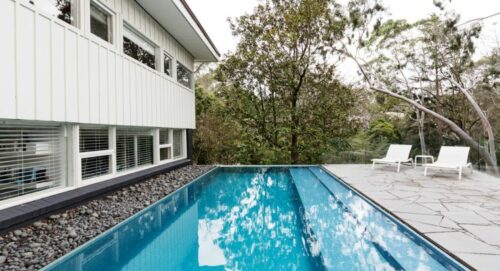 05 JulBy :Category : Uncategorized,0 CommentThe Best Pavers Available in 2024Read More
 -
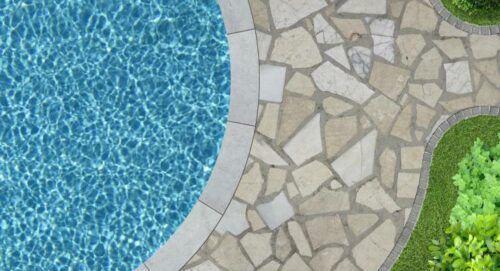 23 AprBy :Category : Uncategorized,0 CommentPaving Solutions for Pool DecksRead More
 -
 18 JanBy :Category : Uncategorized,0 CommentEnhancing Curb Appeal with Bluestone PaversRead More
 -
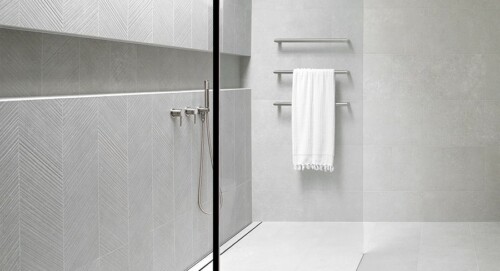 29 DecBy :Category : Uncategorized,0 CommentInnovations in Drainage Solutions: Lauxes GratesRead More
 -
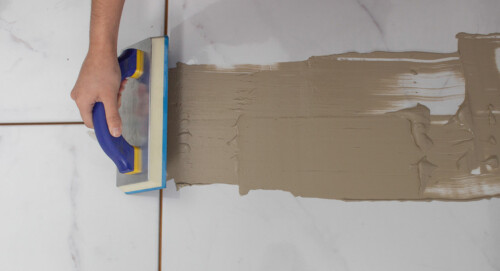 22 DecBy :Category : Uncategorized,0 CommentBest Grouting Solutions for PaversRead More
 -
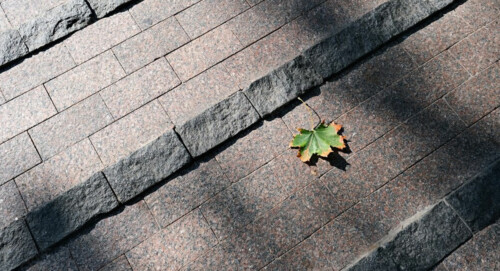 01 NovBy :Category : Uncategorized,0 CommentBenefits of Natural Stone PaversRead More
 -
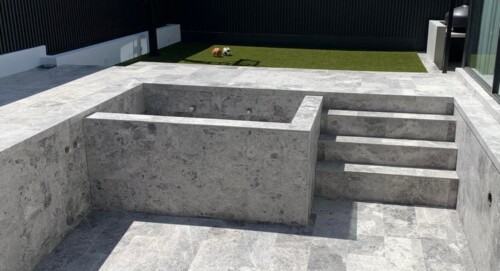 02 OctBy :Category : Uncategorized,0 CommentMaintaining Pavers: Cleaning and SealingRead More
 -
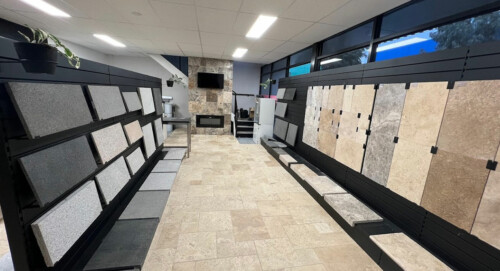 28 SepBy :Category : Uncategorized,0 CommentChoosing the Right Paver Material | Advantages of Different Stone TypesRead More


