



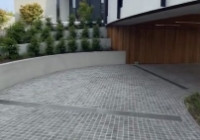

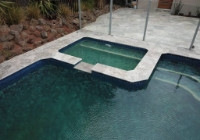
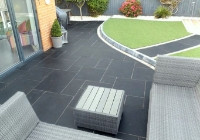




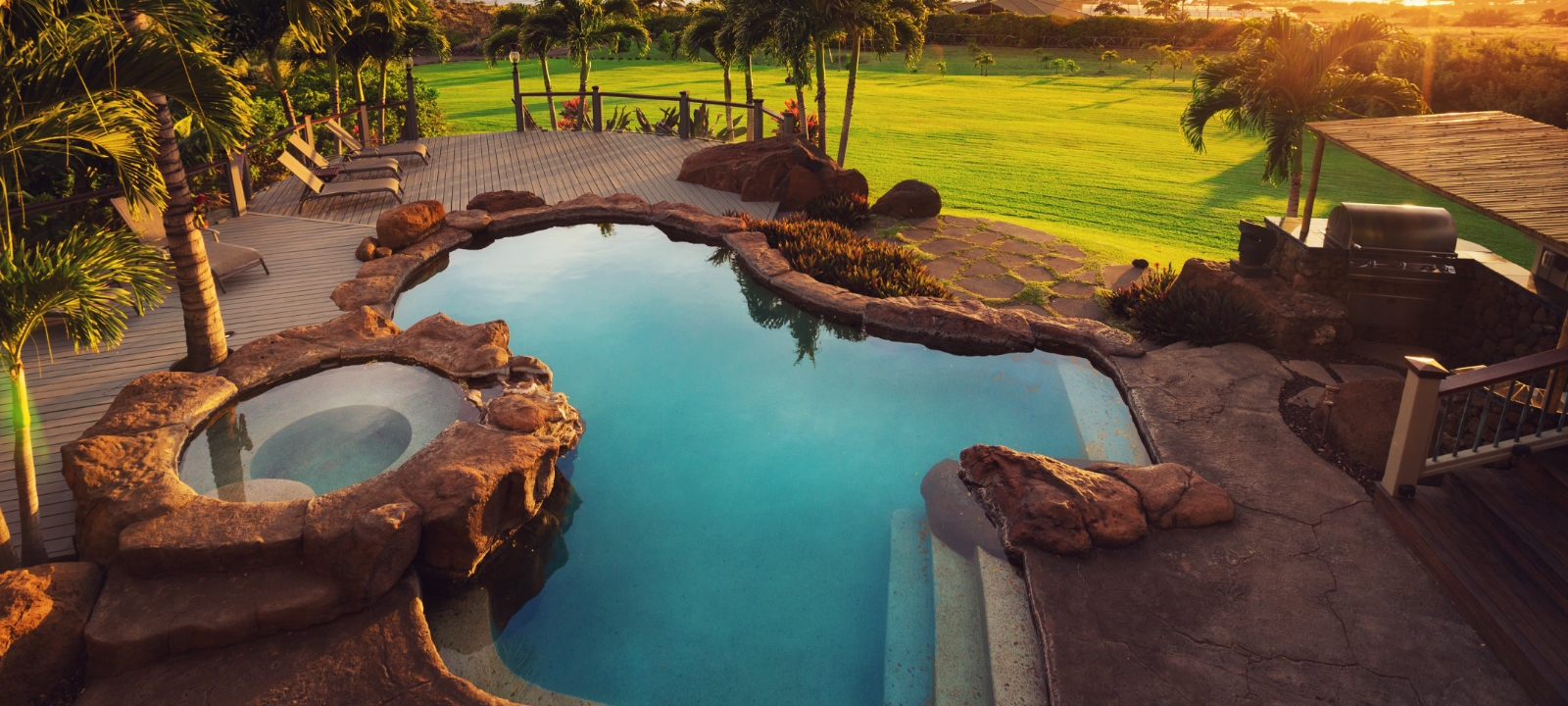
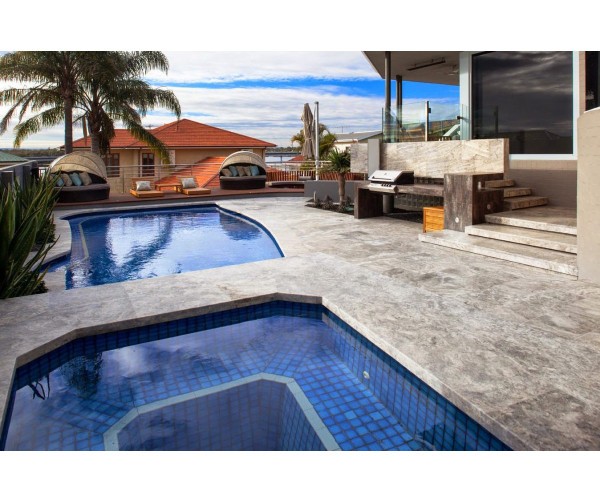
There is something timeless about natural stone. The way it belongs in a backyard, weathering away and changing in colour and texture over the years. You cannot match that look with anything that is manufactured. This is why travertine has been used from ancient Rome to modern Melbourne courtyards and swimming decks. It is one of the most sought-after stone pavers for outdoor landscaping.
When you decide on travertine you’re faced with a choice, filled or unfilled travertine. Which do you choose? It is more than an aesthetic choice as it affects how the stone will look and how much future maintenance you will need to perform.
Paver Shop is a leading travertine paver supplier in Melbourne and we can help you understand the difference between these two types of stone. This article will explain what travertine is, the difference between filled and unfilled, and what works best for your outdoor landscape.
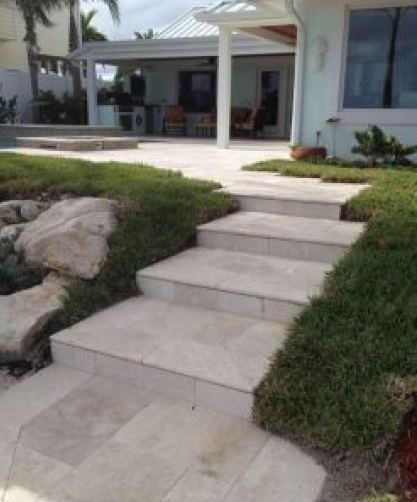
What is Travertine?
Let's look at what travertine is. It is a natural, porous form of limestone that is predominantly deposited by natural hot springs. It has pits and holes formed by C02 bubbles and comes in a range of earthy tones such as beige, walnut and grey.
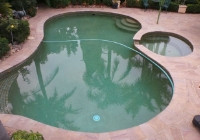
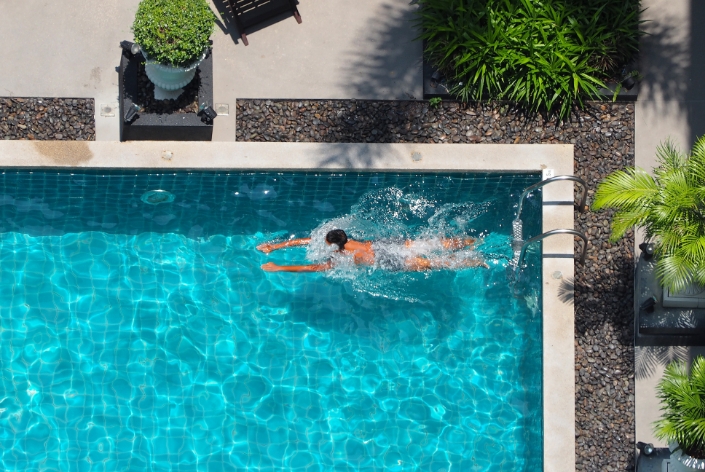
Travertine is widely used as indoor tiles and bathroom flooring, and outdoor pavers, especially popular around swimming pools due to being very slip resistant.
Travertine can literally last for centuries, as seen from Roman ruins, but being a porous material it would need regular sealing to protect from water and acid damage.
Filled Travertine Versus Unfilled Travertine - What's the Difference?
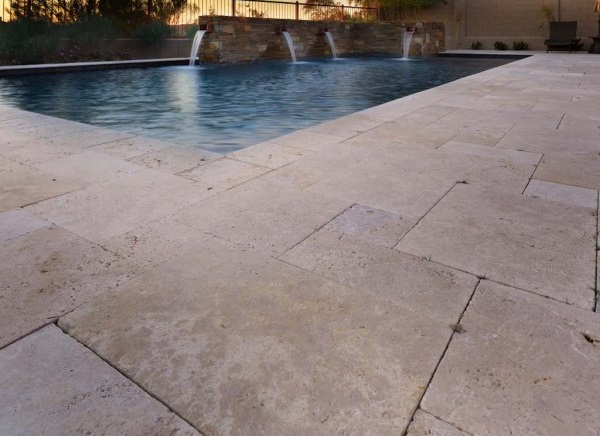
Unfilled Travertine is the stone in its natural form with pits and voids formed by the bubbles in the stone. It is coarse to touch and very porous, allowing water and liquids to flow right through. It has a natural look to it and has excellent slip resistance. However, unfilled travertine can be more difficult to keep clean and needs more maintenance than filled travertine.
Filled travertine has the pits and pores filled in, with either epoxy or cement. This creates a smooth finish and looks great when used indoors. Being filled it is easier to clean as dirt and grime stays on the surface and is not trapped in the pores
The filler can, over time, wear out and need to be refilled, but this does take a long while and is not an immediate concern. The smooth nature of filled travertine means it is more slippery than unfilled, and would not be suitable for wet areas such as poolside or garden paths in areas of high rainfall.
Where Would you use Filled Travertine?
Filled travertine, with the smooth surfaces and glossy finish, look fantastic indoors in high traffic areas, or places where the look of the outdoors shines through, such as kitchens or bathrooms. Filled travertine is also great for shower walls and kitchen splashbacks, due to their ease of cleaning and rejection of water and liquids.
You can use filled travertine for an outdoor patio dining and entertaining area for an accent look and a refined aesthetic. This works well for cleaning up food and drink spills, since the filled travertine is great at resisting liquids.
You can also polish filled travertine to create a nice shine for a refined look to your outdoor entertaining space.
Where Would You Use Unfilled Travertine?
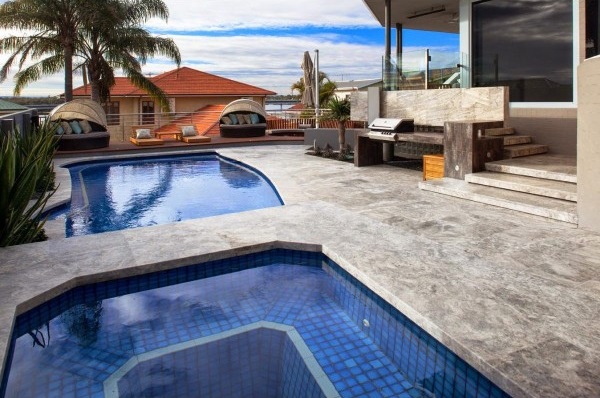
Unfilled travertine maintains that rustic feel and natural look. It is highly porous and slip-resistant. This makes it perfect for pool coping, garden walkways and even exterior wall cladding.
The raw look of unfilled travertine is popular for indoor surfaces such as fireplaces and bathrooms.
The natural, organic look and feel of unfilled travertine is one of its big appeal factors. If this is the look you're going for, earthy tones and rough surfaces, then unfilled is what you’d want. On flooring it would give you an old world Mediterranean look. Outside it would give you a farmhouse vibe and would feel great on the soles of your bare feet.
Sealing Travertine versus Filling Travertine
If you get unfilled travertine, you do need to seal it. This is different from filling it. Filling means all the holes and pits are filled with resin or cement to produce a smooth and honed finish, either polished to a rich shine, or left as a nice matte finish.
Sealing with where a penetrating sealer is applied to unfilled travertine. It does not change the touch and natural look of the unfilled travertine. It is crucial if you’re using unfilled travertine outdoors in a wet environment as it prevents the growth of mould and mildew, and the build up of dirt inside the holes.
Which is Better For Your Outdoor Space?
For most outdoor spaces it is recommended you use unfilled travertine. This is due to the non-slip nature and natural appearance of the stone. They work well around poolsides and in garden paths, areas prone to high incidents of water.
However, if you prefer pavers that are easier to clean and have a smooth, modern finish to them, then filled travertine would be the choice for you.
Unfilled Travertine
Best for:
- > Pool surrounds.
- > Garden paths.
- > Patios where non-slip safety is a priority.
- > Having a natural aesthetic.
Pros:
- > Slip resistance: Safer antt-slip area.
- > P5 or R11 rating: This is a high rating for products designed for use in frequently wet or hazardous areas.
- > Natural look: These pavers have ‘old world’ charm which blends in with a natural surrounding.
Cons:
- > Maintenance: Dirt and mould can build up in the pores. This would require specialist cleaning.
- > Weak surface: Over a long period of time, the pores can become points of structural weakness.
Filled Travertine
Best for:
- > Covered patios
- > Outdoor kitchen areas
- > Areas you want a clean, modern look.
Pros:
- > Easier maintenance: The smooth, sealed surface is easy to sweep or mop.
- > Enhanced durability: The filled pores makes the travertine stronger and less prone to breaking.
- > Stain resistant: Being less porous the stone is less likely to soak up stains.
Cons:
- > Slippery: Being smooth and sometimes polished, if filled travertine gets wet it can become hazardously slippery
- > Modern look: If you’re chasing a more natural, rustic look, filled travertine is not really a good choice.
The Verdict?
Both styles of travertine work in your outdoor space, depending on which space that is. Filled travertine works best for your patio and outdoor kitchen, due to the refined nature of it and the ease at which you can clean food and drink spillage. Unfilled travertine works best as your garden path pavers and for paving around your swimming pool, for the grip you get.
Give the team at Paver Shop a call on 03 9462 4325 or drop us a message at our contact page and we can discuss your landscaping needs and what travertine pavers your Melbourne home will need.
-
 19 MarBy :Category : Uncategorized,0 CommentEssential Maintenance: How to Clean and Care for Your Metal and Aluminium Drain GratesRead More
 -
 12 FebBy :Category : Uncategorized,0 CommentChoosing the Right Thickness for Granite Pavers: Paths, Patios, and DrivewaysRead More
 -
 29 JanBy :Category : Uncategorized,0 CommentAluminium vs. Concrete: Choosing the Right Drain Grate for Your ProjectRead More
 -
 26 DecBy :Category : Uncategorized,0 CommentSandstone Pavers vs Bluestone Pavers: A Practical Comparison for Australian HomesRead More
 -
 27 NovBy :Category : Uncategorized,0 CommentGranite vs. Concrete Pavers: Which Is Right for Your Driveway?Read More
 -
 06 NovBy :Category : Uncategorized,0 CommentSandstone Pavers for Pool Decks: Why They Are the Perfect ChoiceRead More
 -
 15 SepBy :Category : Uncategorized,0 CommentCobblestone vs. Pavers: Pros, Cons & Which to ChooseRead More
 -
 26 AugBy :Category : Uncategorized,0 CommentWhy Choose Limestone Pavers? Top Benefits for Outdoor SpacesRead More
 -
 31 JulBy :Category : Uncategorized,0 CommentHow to Choose the Right Porcelain Paver Thickness for Your ProjectRead More
 -
 16 JunBy :Category : Uncategorized,0 CommentPlastic vs. Metal Drain Grates: Pros and ConsRead More
 -
 29 MayBy :Category : Uncategorized,0 CommentNatural Stone vs. Concrete Pavers: Which Is Right for Your Project?Read More
 -
 17 AprBy :Category : Uncategorized,0 CommentHow to Choose the Best Paving Contractors for Your ProjectRead More
 -
 07 MarBy :Category : Uncategorized,0 CommentIs Mapei Grout Waterproof? Understanding Its Water ResistanceRead More
 -
 10 FebBy :Category : Uncategorized,0 CommentWhat Is a Hide Skimmer Lid? Everything You Need to KnowRead More
 -
 21 JanBy :Category : Uncategorized,0 CommentWhat Are the Different Types of Travertine Pavers and Their Uses?Read More
 -
 13 DecBy :Category : Uncategorized,0 CommentPorcelain Pavers vs Natural Stone Pavers: Which is Better?Read More
 -
 06 DecBy :Category : Uncategorized,0 CommentTop 10 Benefits of Porcelain Pavers: Why They’re the Perfect Choice for Your Outdoor SpaceRead More
 -
 14 OctBy :Category : Uncategorized,0 CommentPorcelain Pavers vs. Concrete Pavers: Which is Better?Read More
 -
 04 SepBy :Category : Uncategorized,0 CommentLimestone vs Sandstone Pavers: How to Find the Right Paver for Your HomeRead More
 -
 04 SepBy :Category : Uncategorized,0 CommentAre Travertine Pavers Worth the Investment? Our Experts Weigh InRead More
 -
 04 SepBy :Category : Uncategorized,0 CommentTop 6 Benefits of Porcelain Pavers: The Perfect Choice for Your OutdoorsRead More
 -
 02 AugBy :Category : Uncategorized,0 CommentTypes of Drain Grates – A Comprehensive ReviewRead More
 -
 19 JulBy :Category : Uncategorized,0 CommentHow to Properly Maintain Your Natural Stone PaversRead More
 -
 05 JulBy :Category : Uncategorized,0 CommentThe Best Pavers Available in 2024Read More
 -
 23 AprBy :Category : Uncategorized,0 CommentPaving Solutions for Pool DecksRead More
 -
 18 JanBy :Category : Uncategorized,0 CommentEnhancing Curb Appeal with Bluestone PaversRead More
 -
 29 DecBy :Category : Uncategorized,0 CommentInnovations in Drainage Solutions: Lauxes GratesRead More
 -
 22 DecBy :Category : Uncategorized,0 CommentBest Grouting Solutions for PaversRead More
 -
 01 NovBy :Category : Uncategorized,0 CommentBenefits of Natural Stone PaversRead More
 -
 02 OctBy :Category : Uncategorized,0 CommentMaintaining Pavers: Cleaning and SealingRead More
 -
 28 SepBy :Category : Uncategorized,0 CommentChoosing the Right Paver Material | Advantages of Different Stone TypesRead More


