



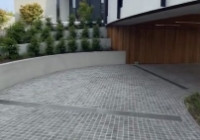

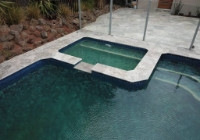
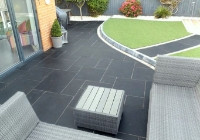




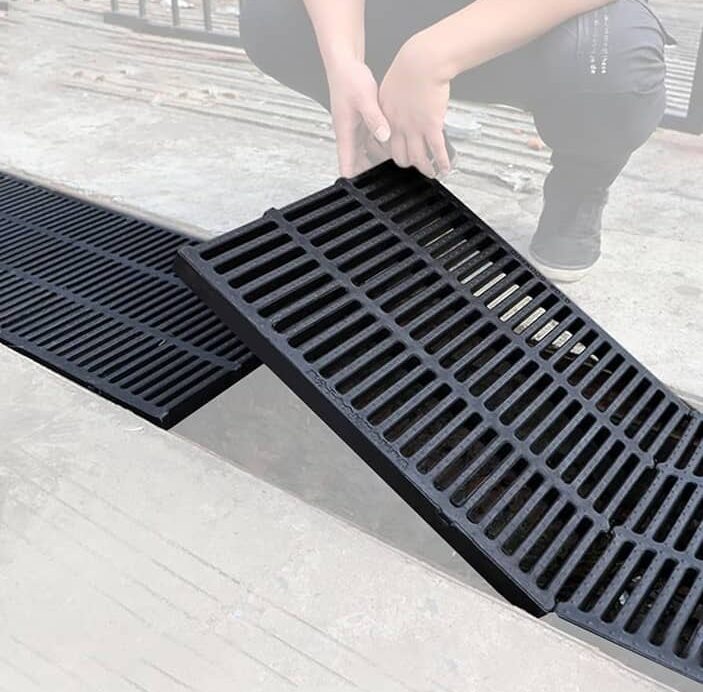
Drainage is one of those details that often goes unnoticed, until it stops working properly and things go haywire. Whether it’s pooling water on a driveway, runoff near a patio, or water collecting around a pool, drain grates play a critical role in keeping outdoor spaces safe and fully functional.
Two of the most common options for residential and light commercial projects are aluminium drain grates and concrete drain grates. While both serve the same basic purpose, they perform very differently depending on where and how they are used.
Below, we will compare aluminium and concrete drain grates in a clear, practical way to help homeowners, renovators and builders choose the right solution for their project.
Why drain grates matter in outdoor spaces
Drain grates are not just a finishing detail. They are a key part of any surface drainage system, allowing water to flow into stormwater channels while protecting the drain below from debris.
A well-chosen drain grate helps to:
- Prevent surface water buildup
- Reduce slip hazards
- Protect paving and surrounding structures
- Improve the overall appearance of outdoor areas
Selecting the wrong type of grate can lead to cracking, corrosion, blockages or premature replacement.
Understanding aluminium drain grates
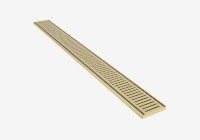
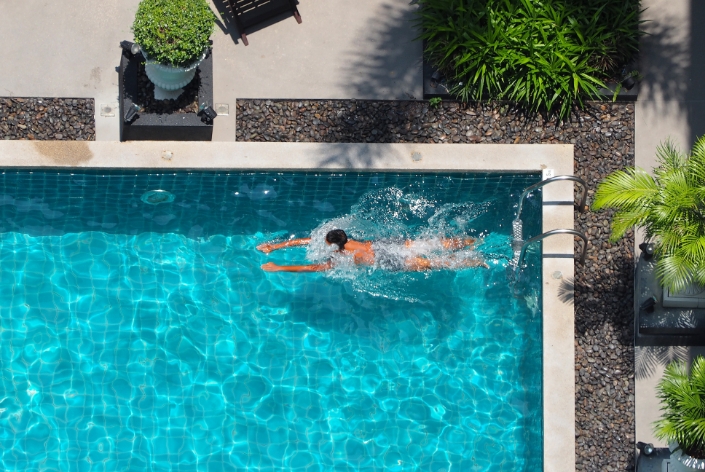
Aluminium drain grates are lightweight metal grates designed for surface drainage in residential and commercial settings. They are commonly used in patios, balconies, pool surrounds and pedestrian areas.
Key benefits of aluminium drain grates
Aluminium grates are popular for projects where appearance and corrosion resistance matter.
They are valued for:
- Resistance to rust and corrosion
- Lightweight construction for easier installation
- Clean, modern appearance
- Compatibility with linear and strip drainage systems
Because aluminium does not rust, it performs well in wet environments and coastal areas. Many homeowners searching for drain grates Melbourne options choose aluminium for outdoor living spaces exposed to moisture.
The Paver Shop supplies aluminium drainage solutions designed to integrate neatly with paving and outdoor surfaces.
Considerations when choosing aluminium
While aluminium has many advantages, it is not suited to every application.
Points to consider include:
- Lower load-bearing capacity compared to concrete
- Not ideal for vehicle traffic unless specifically rated
- Can dent under heavy point loads
Aluminium drain grates are best suited to pedestrian areas rather than driveways or heavy-use zones.
Maintenance and care for aluminium grates
Aluminium grates are low maintenance. Regular cleaning helps prevent debris buildup and keeps the surface looking clean. Occasional washing is usually sufficient, even in high-moisture environments.
Because aluminium does not corrode, it retains its appearance well over time.
Understanding concrete drain grates
Concrete drain grates are solid, heavy-duty grates often used in driveways, carports and high-load areas. They are designed to handle significant weight while providing effective surface drainage.
Concrete grates are typically used where strength and stability are the primary requirements.
Key benefits of concrete drain grates
Concrete grates are chosen for their durability and load-bearing performance.
Their main advantages include:
- High strength suitable for vehicle traffic
- Stability under heavy loads
- Long service life in demanding environments
- Compatibility with driveway and crossover drainage
Concrete grates are commonly selected for areas where cars or service vehicles regularly pass over drainage channels.
The Paver Shop works with trusted drain grates suppliers to provide concrete options suitable for residential driveways and accessways.
Considerations when choosing concrete
Concrete drain grates also come with some limitations.
These include:
- Heavier weight, which can increase installation effort
- Limited design flexibility compared to aluminium
- Potential for surface wear over time
Concrete grates are functional rather than decorative, which may influence placement in visible outdoor areas.
Maintenance and care for concrete grates
Concrete drain grates require minimal maintenance. Regular clearing of debris helps maintain water flow. Over time, surface wear may occur, especially in high-traffic areas, but this does not usually affect performance.
Concrete is generally resistant to environmental damage when installed correctly.
If you’re planning a drainage solution and need help selecting the right grate, Our team can provide tailored advice and a project-specific quote.
Aluminium vs. concrete drain grates: Key comparisons

Both aluminium and concrete drain grates are reliable options when used in the right context. The decision depends on location, load requirements and visual preferences.
Load-bearing capacity
Concrete drain grates are significantly stronger and better suited to driveways and vehicle crossings.
Aluminium grates are suitable for pedestrian areas but should not be used where vehicles are expected unless specifically designed for that purpose.
Appearance and design
Aluminium grates offer a cleaner, more refined look. They blend well with modern paving and outdoor designs.
Concrete grates have a more utilitarian appearance and are often chosen for functional rather than decorative reasons.
Installation considerations
Aluminium grates are lightweight and easier to handle during installation. This can reduce labour time in some projects.
Concrete grates require careful placement due to their weight but provide excellent stability once installed.
Climate and environmental performance
Aluminium performs well in wet and coastal environments due to its corrosion resistance.
Concrete performs well across a wide range of Australian conditions and is particularly suited to high-load areas exposed to vehicles.
Long-term value
Aluminium grates offer long-term value in low-load areas with minimal maintenance requirements.
Concrete grates offer long-term durability in high-load environments where strength is critical.
Choosing the right drain grate for different areas
Aluminium drain grates are often suited to:
- Patios and alfresco areas
- Pool surrounds
- Balconies and courtyards
- Pedestrian pathways
Concrete drain grates are often better suited to:
- Driveways
- Carports
- Vehicle access areas
- High-load drainage zones
Product support from The Paver Shop
The Paver Shop supplies a range of drainage products designed to work seamlessly with paving systems. Their team assists with selecting drain grates that suit the intended application, surface type and load requirements.
By offering practical guidance alongside quality products, The Paver Shop helps ensure drainage systems perform effectively over time.
Related reading
You may also find these guides useful when planning drainage and paving:
- Best Grouting Solutions for Pavers
- Cobblestone vs Pavers: Pros, Cons & Which to Choose
- Natural Stone vs Concrete Pavers: Which Is Right for Your Project?
Making the right drainage choice
Both aluminium and concrete drain grates play an important role in managing surface water when chosen correctly. Aluminium suits visible, low-load areas where corrosion resistance and appearance matter. Concrete suits high-load areas where strength and stability are essential.
Since opening in 2019, Paver Shop has been proudly owned and run by a trade professional with over 20 years of experience in paving and landscaping. We specialise in supplying high-quality, natural stone products (especially sandstone), offering a variety of options to suit your style and project needs.
Thanks to our hands-on industry experience, we can supply and install sandstone pavers, provide accurate quotes for your property, or connect you with trusted, professional installers. With us, you’re saving both time and money at a one-stop shop.
Prefer a more personalised approach or want to order other pavers such as bluestone, travertine, granite, or limestone? Take advantage of our "We Come to You" service and contact us on (03) 9462 4325 or email sales@pavershop.com.au.
-
 12 FebBy :Category : Uncategorized,0 CommentChoosing the Right Thickness for Granite Pavers: Paths, Patios, and DrivewaysRead More
 -
 26 DecBy :Category : Uncategorized,0 CommentSandstone Pavers vs Bluestone Pavers: A Practical Comparison for Australian HomesRead More
 -
 27 NovBy :Category : Uncategorized,0 CommentGranite vs. Concrete Pavers: Which Is Right for Your Driveway?Read More
 -
 06 NovBy :Category : Uncategorized,0 CommentSandstone Pavers for Pool Decks: Why They Are the Perfect ChoiceRead More
 -
 15 SepBy :Category : Uncategorized,0 CommentCobblestone vs. Pavers: Pros, Cons & Which to ChooseRead More
 -
 26 AugBy :Category : Uncategorized,0 CommentWhy Choose Limestone Pavers? Top Benefits for Outdoor SpacesRead More
 -
 31 JulBy :Category : Uncategorized,0 CommentHow to Choose the Right Porcelain Paver Thickness for Your ProjectRead More
 -
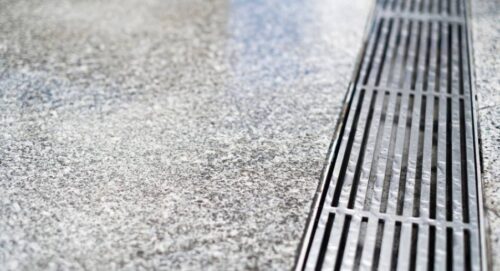 16 JunBy :Category : Uncategorized,0 CommentPlastic vs. Metal Drain Grates: Pros and ConsRead More
 -
 29 MayBy :Category : Uncategorized,0 CommentNatural Stone vs. Concrete Pavers: Which Is Right for Your Project?Read More
 -
 17 AprBy :Category : Uncategorized,0 CommentHow to Choose the Best Paving Contractors for Your ProjectRead More
 -
 07 MarBy :Category : Uncategorized,0 CommentIs Mapei Grout Waterproof? Understanding Its Water ResistanceRead More
 -
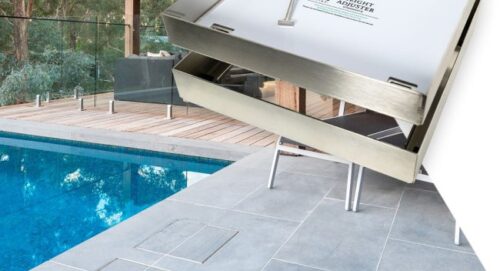 10 FebBy :Category : Uncategorized,0 CommentWhat Is a Hide Skimmer Lid? Everything You Need to KnowRead More
 -
 21 JanBy :Category : Uncategorized,0 CommentWhat Are the Different Types of Travertine Pavers and Their Uses?Read More
 -
 13 DecBy :Category : Uncategorized,0 CommentPorcelain Pavers vs Natural Stone Pavers: Which is Better?Read More
 -
 06 DecBy :Category : Uncategorized,0 CommentTop 10 Benefits of Porcelain Pavers: Why They’re the Perfect Choice for Your Outdoor SpaceRead More
 -
 14 OctBy :Category : Uncategorized,0 CommentPorcelain Pavers vs. Concrete Pavers: Which is Better?Read More
 -
 04 SepBy :Category : Uncategorized,0 CommentLimestone vs Sandstone Pavers: How to Find the Right Paver for Your HomeRead More
 -
 04 SepBy :Category : Uncategorized,0 CommentAre Travertine Pavers Worth the Investment? Our Experts Weigh InRead More
 -
 04 SepBy :Category : Uncategorized,0 CommentTop 6 Benefits of Porcelain Pavers: The Perfect Choice for Your OutdoorsRead More
 -
 02 AugBy :Category : Uncategorized,0 CommentTypes of Drain Grates – A Comprehensive ReviewRead More
 -
 19 JulBy :Category : Uncategorized,0 CommentHow to Properly Maintain Your Natural Stone PaversRead More
 -
 05 JulBy :Category : Uncategorized,0 CommentThe Best Pavers Available in 2024Read More
 -
 23 AprBy :Category : Uncategorized,0 CommentPaving Solutions for Pool DecksRead More
 -
 18 JanBy :Category : Uncategorized,0 CommentEnhancing Curb Appeal with Bluestone PaversRead More
 -
 29 DecBy :Category : Uncategorized,0 CommentInnovations in Drainage Solutions: Lauxes GratesRead More
 -
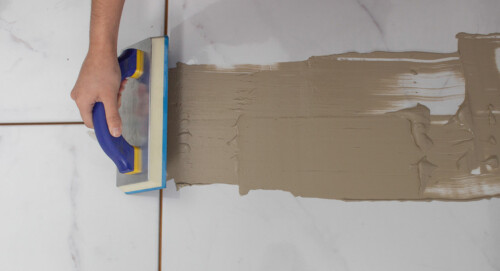 22 DecBy :Category : Uncategorized,0 CommentBest Grouting Solutions for PaversRead More
 -
 01 NovBy :Category : Uncategorized,0 CommentBenefits of Natural Stone PaversRead More
 -
 02 OctBy :Category : Uncategorized,0 CommentMaintaining Pavers: Cleaning and SealingRead More
 -
 28 SepBy :Category : Uncategorized,0 CommentChoosing the Right Paver Material | Advantages of Different Stone TypesRead More


